-
E-mail
info@gti-test.com
-
Phone
17640053769
-
Address
Room 7 # 2212, COFCO Plaza, No. 56-39 Huanghe North Street, Huanggu District, Shenyang City
Jitai Precision Instrument (Shenyang) Co., Ltd
From principle to practice: analysis of detection technology and precision control of air duct leakage tester
Date: 2025-09-19Read: 11
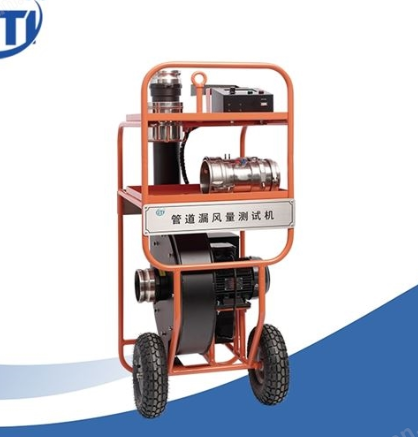
In ventilation and air conditioning systems, the sealing of air ducts directly affects the energy efficiency and operating costs of the system. As a professional testing tool, the air duct leakage tester can accurately evaluate the sealing performance of air ducts and help engineers and maintenance personnel detect and repair air leakage points in a timely manner. This article will delve into its detection technology and precision control, helping users better understand and apply this important device.
1、 Testing technology
(1) Detection principle
Mainly based on pressure difference method for detection. By applying a certain pressure inside the air duct and measuring the pressure difference inside and outside the duct, the leakage air volume can be calculated. Specifically, the tester blows air into the air duct through a fan to create positive pressure inside the duct. Then, by using high-precision pressure sensors to measure the pressure difference inside and outside the air duct, combined with the geometric parameters of the air duct, the leakage air volume is calculated.
(2) Testing steps
Preparation work: Before conducting the inspection, it is necessary to ensure that the duct system has been installed and all connection points have been secured. Close all ventilation openings and valves of the duct system to ensure that there is no interference from external air during the testing process.
Installation tester: Connect the air duct leakage tester to the designated position of the air duct. Usually, the tester is connected to the test port of the air duct through a hose to ensure a secure connection and avoid air leakage.
Apply pressure: Start the tester and apply a certain pressure to the air duct through the fan. Usually, the pressure range is between 50Pa and 1000Pa, and the specific pressure value is determined according to the design requirements and testing standards of the air duct.
Measuring pressure difference: When the pressure inside the air duct reaches the set value, the tester will automatically measure the pressure difference inside and outside the air duct. Through high-precision pressure sensors, the tester can display real-time changes in pressure difference.
Calculate air leakage rate: Based on the measured pressure difference and geometric parameters of the air duct, the tester calculates the air leakage rate through the built-in calculation formula. The air leakage rate is usually expressed in cubic meters per hour (m?/h).
2、 Key factors of precision control
(1) Equipment calibration
Regular calibration: In order to ensure the accuracy of test results, the air duct leakage tester needs to be calibrated regularly. Calibration should be carried out by professional metrology institutions or equipment manufacturers to ensure that the measurement accuracy of the tester meets national standards.
Pre calibration inspection: Before each calibration, a comprehensive inspection of the tester should be conducted, including visual inspection, sensor inspection, and electrical connection inspection. Ensure that the equipment is calibrated in good condition.
(2) Environmental factors
Temperature and humidity: Environmental temperature and humidity have a significant impact on test results. The tester should be used under stable environmental conditions, avoiding operation in temperature or high humidity environments. If it must be used under these conditions, appropriate protective measures should be taken.
Airflow interference: During the testing process, external airflow interference should be avoided. Ensure smooth airflow in the testing area and avoid strong winds or airflow fluctuations affecting the test results.
(3) Operating standards
Operator training: Operators should receive professional training, familiarize themselves with the operation process and precautions of the testing instrument. The training content includes equipment installation, operation, maintenance, and troubleshooting.
Standardized operation: When conducting testing, it is necessary to strictly follow the standardized operation process. Ensure that the conditions and steps for each test are consistent, reducing the impact of human factors on the test results.
(4) Data recording and analysis
Data recording: During the testing process, the parameters and results of each test should be recorded in detail. The recorded content includes testing time, testing pressure, air leakage rate, environmental conditions, etc.
Data analysis: Through data analysis, air leakage points and potential problems in the duct system can be identified. Regularly analyze test data, evaluate the sealing performance of the air duct system, and take timely repair measures.
3、 Summary
The detection technology of the air duct leakage tester is based on the pressure difference method, which calculates the air leakage by measuring the pressure difference inside and outside the air duct. In order to ensure the accuracy of the test results, it is necessary to regularly calibrate the testing instrument, control environmental factors, standardize operating procedures, and keep good records and analysis of data. Through these measures, the accuracy of air duct leakage testing can be effectively improved, helping maintenance personnel to detect and repair air leakage points in a timely manner, and improving the energy efficiency and operational reliability of ventilation and air conditioning systems.