-
E-mail
18752476625@163.com
-
Phone
18751941608
-
Address
Room 1304, Building A1, No. 216 Pu Liu North Road, Getang Street, Jiangbei New District, Nanjing City
Nanjing Haohai Marine Technology Co., Ltd
Remember! Proper installation of OEM pressure sensors is necessary to fully utilize their performance
Date: 2025-07-23Read: 10
In the field of modern industrial automation and process control, OEM pressure sensors are widely used as key components to monitor pressure changes in liquids or gases, ensuring system safety and efficiency. However, in order to fully utilize its performance and ensure long-term stable operation, the correct installation method is crucial. This article will provide a detailed introduction to the correct installation steps and precautions for OEM pressure sensors, helping you avoid common errors and ensure the accuracy and reliability of measurement results.
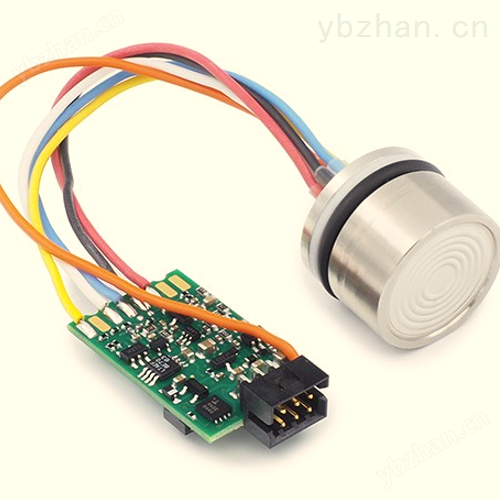
1、 Prepare to install the environment
pipe cleaning
Before installation, clean the interior of the pipeline to ensure that there are no impurities, rust, or other foreign objects remaining. This not only helps protect the sensor from damage, but also improves measurement accuracy.
Check the seal
Confirm that all sealing rings are intact and replace aging sealing materials as needed. Good sealing is the key to preventing leaks and a prerequisite for ensuring accurate measurements.
Confirm power supply and wiring
Verify whether the required power supply voltage meets the requirements and check whether all electrical connections are firm and reliable. For long-distance signal transmission, it is recommended to use shielded cables to reduce external interference.
2、 Correct installation steps
Vertical or horizontal installation
Choose the appropriate installation direction based on the specific application scenario. Normally, liquid media are suitable for horizontal installation, while gas media are more suitable for vertical installation to ensure that the media can fully contact the sensing surface.
Use specialized accessories
Use specialized accessories provided by the manufacturer (such as flanges, threaded interfaces, etc.) for installation to ensure a tight and secure connection. Avoid using mismatched accessories to prevent leakage or damage.
Fixed and supported
During installation, it is essential to provide sufficient support to avoid hanging or excessive bending. Reasonably use brackets and fixing fixtures to ensure that the sensor is in a stable state.
3、 Debugging and Calibration
Pre startup inspection
Before being officially put into use, check the power connection, grounding status, and communication status between sensors and control systems. Ensure everything is functioning properly before conducting the power on test.
zero point calibration
Perform zero calibration operation according to the manufacturer's instruction manual. Usually, the output signal is adjusted to zero value in a non pressure state to eliminate the inherent offset error of the system.
Full range calibration
Apply work pressure using a standard pressure source and verify that the output meets the expected range. If there is any deviation, adjust according to the steps in the manual.