-
E-mail
749971759@qq.com
-
Phone
13356716325
-
Address
Oulong Technology Park
Shandong Lanjing Electronic Technology Co., Ltd
Discussion on the calibration method and maintenance cycle of online blue-green algae detector
Date: 2025-08-14Read: 11
Online blue-green algae detectorCalibration is a crucial step in ensuring its measurement accuracy and reliability. The calibration method mainly includes the following steps:
1. Prepare standard samples:
Before calibration, a known concentration of blue-green algae standard sample needs to be prepared. These standard samples should be representative and the concentration range should cover the measurement range of the instrument.
At the same time, the stability and reliability of standard samples should be ensured to avoid inaccurate calibration results due to issues with the standard samples themselves.
2. Instrument preheating and stabilization:
Before calibration, the instrument should be preheated to a stable state. This helps to reduce measurement errors caused by changes in instrument temperature.
The preheating time is determined according to the instrument manual, usually ranging from several hours to several days.
3. Zero point calibration:
Place the instrument in pure water without blue-green algae, and adjust the instrument to make the reading zero. This is to eliminate the background error of the instrument itself and ensure the accuracy of the measurement results.
4. Full scale calibration:
Place the instrument in a known high concentration of blue-green algae standard sample, and adjust the instrument to make the reading consistent with the standard value. This step is to determine the measurement range and accuracy of the instrument, ensuring that it can accurately measure high concentrations of blue-green algae.
5. Slope calibration (if applicable):
Some online blue-green algae detectors also require slope calibration to ensure measurement accuracy at different concentrations.
Slope calibration is usually performed using multiple standard samples of different concentrations, adjusting the slope parameters of the instrument to make the measurement results closer to the standard values.
6. Repeatability and stability verification:
After completing zero and full-scale calibration, multiple standard samples of different concentrations should be used for repeated measurements to verify the repeatability and stability of the instrument.
If significant deviation or instability is found in the measurement results, the instrument should be recalibrated or checked for any malfunctions.
7. Avoid external interference:
During the calibration process, external factors such as light and temperature fluctuations should be avoided from interfering. These interference factors may affect the measurement results of the instrument, leading to inaccurate calibration results.
8. Performance verification:
After calibration, performance verification should be conducted to ensure the measurement accuracy and consistency of the instrument. This can be achieved through comparative testing with laboratory analysis methods.
If significant deviations are found between the measurement results and laboratory analysis results, timely troubleshooting and calibration adjustments should be carried out.
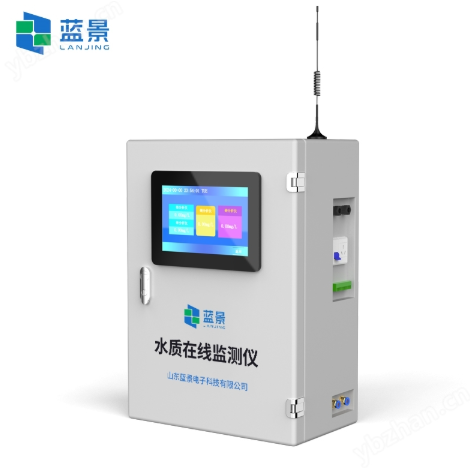
Online blue-green algae detectorThe maintenance cycle is usually determined based on the equipment manual and usage situation. Here is a maintenance cycle recommendation based on common experience:
1. Daily cleaning and maintenance:
Clean the instrument casing and optical components daily or weekly (depending on frequency of use) to maintain their appearance and optical performance.
Use a soft cloth or specialized cleaning paper to wipe the surface of the instrument and optical components (such as light paths, sensors, etc.), avoiding the use of chemical solvents or corrosive cleaning agents.
2. Monthly maintenance:
Conduct a comprehensive inspection of the instrument once a month, including its appearance, optical components, detection cell, and injection system.
Check the battery level and replace it promptly (if applicable).
3. Quarterly maintenance:
Conduct a comprehensive inspection and maintenance of the instruments every quarter, including various functions, calibration status, and battery performance.
If any problems are found, please contact the manufacturer promptly for repair.
4. Annual maintenance:
Send the instrument to the manufacturer's designated repair point for comprehensive maintenance and upkeep every year.
This includes a comprehensive inspection, cleaning, lubrication, and adjustment of the instrument to ensure it is in optimal working condition.
5. Regular calibration:
Regularly calibrate the instrument using standard solutions to ensure the measurement accuracy of the sensor.
The calibration cycle is usually determined based on the equipment manual and usage, and comprehensive calibration is generally conducted once every quarter or year.
6. Software and firmware updates:
Regularly check the software update information released by the manufacturer and follow the instructions for updates.
When manufacturers release new firmware versions, they should promptly upgrade to improve the compatibility and performance of the instrument.
7. Maintenance records:
Establish a comprehensive maintenance record system, detailing the time, content, results, and other information of each maintenance.
This helps track the maintenance history of the instrument, analyze potential issues, and provide reference for subsequent maintenance work.
By following the above calibration methods and maintenance cycle recommendations, it can be ensured thatOnline blue-green algae detectorLong term stable operation and measurement accuracy. At the same time, pay attention to operating standards and safety protection to ensure the personal safety of operators and the normal operation of equipment.