-
E-mail
shwury@163.com
-
Phone
15800608246
-
Address
Lane 868, Xinge Road, Xinqiao Town, Songjiang District, Shanghai
Shanghai Wurui Automation Equipment Co., Ltd
Key installation points for high-temperature pressure transmitters: detailed explanation of pressure pipe design and insulation measures
Date: 2025-12-08Read: 10
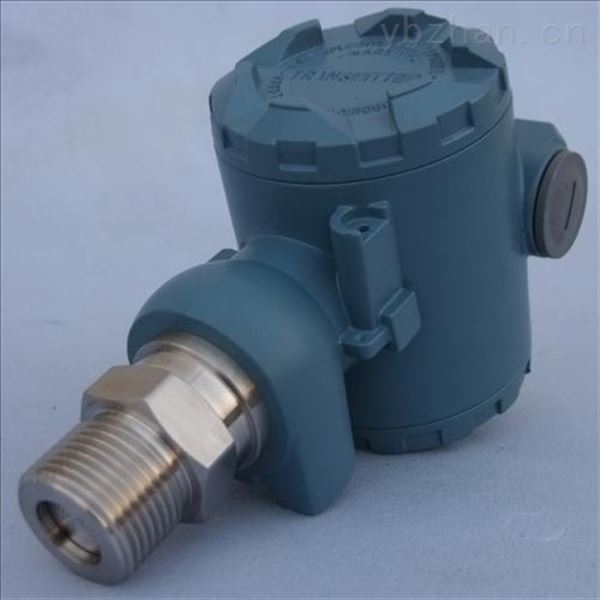
The installation quality of pressure transmitters used under high temperature conditions directly affects measurement accuracy and equipment lifespan.High temperature pressure transmitterAlthough it can work in harsh environments, if the design of the pressure pipe is unreasonable or the insulation measures are not in place, it is easy to cause medium cooling, signal drift, and even membrane damage. This article analyzes the key installation points from the aspects of pressure pipe design and insulation.
1、 Design principles for pressure pipes
1. Material and diameter selection: The pressure pipe should be made of high temperature resistant and corrosion-resistant materials, such as stainless steel 316L or Inconel alloy. The inner diameter of the pipe is generally between 4-8mm, and being too thin can increase flow resistance and response lag, while being too thick can result in significant heat loss.
2. Length and path optimization: Try to shorten the length of the pressure pipe as much as possible to reduce the temperature drop during the medium transmission process; The path should be straight and avoid sharp turns to reduce pressure fluctuations and sediment accumulation. The horizontal section should have a slope of ≥ 1:10 to facilitate the reflux of condensate or gas discharge.
3. Pressure tap position: The pressure tap should be located in the stable flow area of the pipeline or container, avoiding vortices, dead corners, and areas directly washed away by high temperatures to prevent instantaneous impact pressure from damaging the sensor.
4. Exhaust and liquid discharge structure: For media containing gas or prone to condensation, an exhaust valve should be installed at the higher part of the pressure pipe, and a drain valve should be installed at the lower part to ensure that the system has no air resistance or liquid accumulation.
2、 Key points of insulation measures
1. Insulation layer wrapping: High temperature resistant insulation cotton (such as aluminum silicate fiber) or ceramic fiber sleeve is used to wrap the pressure pipe, and a metal sheath is added on the outer layer to prevent corrosion and moisture, reducing the impact of environmental temperature on the medium inside the pipe.
2. Configuration of heat tracing system: In high temperature or cold environments, electric or steam heat tracing can be installed to maintain the temperature of the medium inside the pipe within the design range and prevent condensation or solidification. The heat tracing power needs to be calculated based on the pipe length, ambient temperature, and medium characteristics.
3. Thermal radiation isolation: For the pressure pipe section close to the heat source, a reflective screen or insulation board can be used to reduce the impact of radiation heat and avoid measurement deviation caused by additional temperature rise.
4. Regular inspection: During operation, it is necessary to monitor the integrity of the insulation layer and the heat tracing effect. If any damage or failure is found, it should be repaired in a timely manner to prevent abnormal readings of the transmitter caused by sudden temperature changes.
Reasonable design of pressure pipes and effective insulation are essential to ensureHigh temperature pressure transmitterThe foundation for stable operation in high temperature environments. Balancing fluid mechanics, thermodynamics, and material properties is necessary to maximize the performance and reliability of the transmitter.