- Phone
-
Address
108 Jianguo Road, Chaoyang District, Beijing
Product Categories
Laitelide Harbin Water Treatment Equipment Company

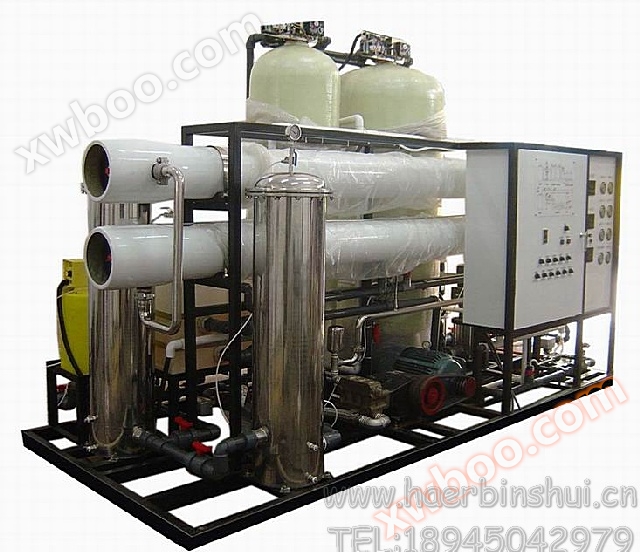
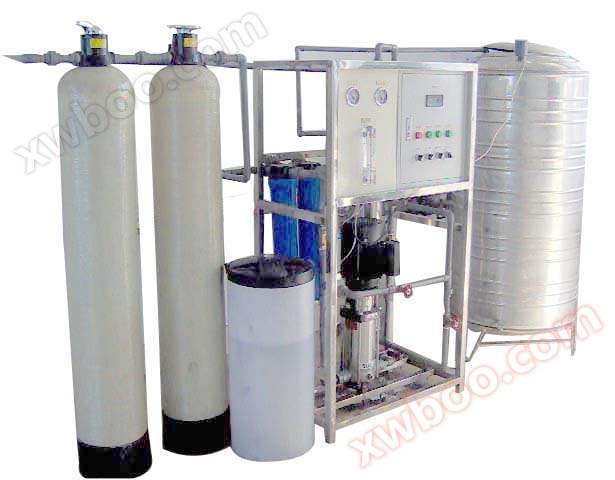
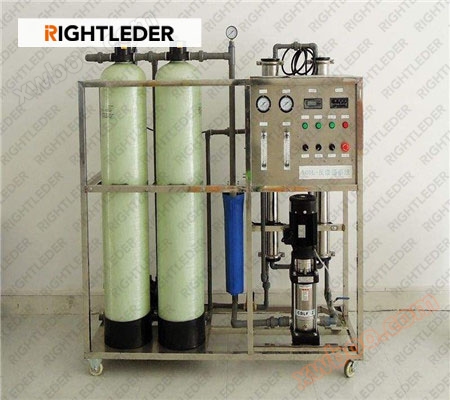
DH600-FMS-Softened Water Treatment Equipment
NegotiableUpdate on 05/07
- Model
- Nature of the Manufacturer
- Producers
- Product Category
- Place of Origin
Overview
DH600-FMS Softened Water Treatment Equipment I. Technical Parameters: Yichun Water Treatment Equipment, Yichun Softened Water Equipment Model: DH600-FMS Water Output: 6 tons per hour Inlet Water Pressure: 0
Product Details
DH600-FMS-Softened Water Treatment Equipment

1、 Technical specifications:Yichun Water Treatment Equipment, Yichunwater softening equipment
type number:DH600-FMS
Water output: 6 tons per hour
Inlet water pressure:0.18-0.6Mpa Source water hardness:<8mmol/L Water hardness: ≤0.03mmol/L Regeneration method: downstream flow/against the current Control method: Time/traffic Working power supply:220V/50Hz Operating Temperature1-55℃ Operation mode: automatic/manual Regeneration agent:NaCL Exchange agent:001*7Strong acidic ion exchange resin 2、 Working principle Yichun Water Treatment Equipment, Yichunwater softening equipment A water softener is specifically designed to remove calcium and magnesium ions from water,At the same time, it can also remove algae and suspended solids from the water, making the treated water soft and clear. 2RNa + Ca2+ = R2Ca + 2Na+ 2RNa + Mg2+ = R2Mg + 2Na+ After passing through the sodium ion exchanger, the waterCa+TheMg+Replaced byNa+. R2Ca + 2NaCl = 2RNa + CaCl2 R2Mg + 2NaCl = 2RNa + MgCl2 After the above processing, the regeneration process is to rinse the resin layer with saline solution in the salt box, replace the hardness ions on the resin, and discharge it out of the tank with the regeneration waste liquid. The resin then recovers its softening and exchange ability. The specific workflow is as follows: 3、 Application scope: Series of fully automatic water softeners: can be widely used for softening the supply water of steam boilers, hot water boilers, exchangers, evaporative condensers, air conditioners, direct fired engines and other systems. It can also be used for the treatment of domestic water in hotels, restaurants, office buildings, apartments, and other industries, as well as for the treatment of softened water in food, beverage, brewing, laundry, printing and dyeing, chemical, pharmaceutical, and other industries. At present, it has been widely used in the circulating feedwater of various steam boilers, hot water boilers, heat exchangers, steam condensers, air conditioners, direct fired engines and other equipment and systems. In addition, it is also used for domestic water treatment, industrial water treatment in food, electroplating, medicine, chemical, printing and dyeing, textile, electronics, and as a pre-treatment for desalination systems. 4、 Flowchart: Yichun Water Treatment Equipment, Yichunwater softening equipment
When raw water containing hardness ions passes through the resin layer inside the water softener, the calcium in the water(Ca2+)Magnesium(Mg2+)Ions are exchanged and adsorbed by resin, while sodium is released with equal mass(Na2+)Ions. The water flowing out of the water softener is softened water with hardness ions removed. The exchange process is as follows:
After the sodium ion exchange resin fails, regeneration treatment is necessary to restore its exchange capacity. Regenerators are affordable and widely available. The salt solution. The regeneration process reaction is as follows:
When water flows through the resin layer, the ion exchange resin can release sodium ions, and the functional groups combine with calcium and magnesium ions, resulting in a decrease in the content of calcium and magnesium ions in the water and a decrease in its hardness. Hard water becomes soft water, which is the working process of water softening equipment.
When a large number of functional groups on the resin combine with calcium and magnesium ions, the softening ability of the resin decreases. A sodium chloride solution can be used to flow through the resin. At this time, the sodium ion content in the solution is high, and the functional groups will release calcium and magnesium ions and combine with sodium ions, thus restoring the exchange ability of the resin. This process is called“regeneration”.
Due to practical work requirements, The standard workflow of softened water equipment mainly includes work(Sometimes called water production, the same below)Backwashing and salt absorption(regeneration)Five processes of washing, salt tank water injection:
Backwash: It has two main functions: first, to loosen the resin layer, allowing the salt solution to fully contact the resin layer, making the displacement reaction more thorough; second, to rinse off the suspended solids intercepted by the resin. This process generally requires5-15About minutes.
salt absorption(regeneration)The process of injecting salt water into the resin tank, traditional equipment uses a salt pump to inject salt water, while fully automatic equipment uses a dedicated built-in sprayer to suck in salt water(As long as there is a certain pressure when the water enters can)In practical work, the regeneration effect of salt water flowing through the resin at a slower speed is better than simply soaking the resin in salt water. Therefore, softening water equipment uses the method of slow flow of salt water through the resin for regeneration Cheng generally needs60About minutes, the actual time is affected by the amount of salt used.
Positive washing: In order to thoroughly rinse off residual salt, a flow rate similar to actual work should be used to rinse the resin with raw water. The effluent from this process should be soft water that meets the standard. In general, the fast flushing process is5-15minute.

Similar Product Recommend