-
E-mail
857418915@qq.com
- Phone
-
Address
No. 55 Chaoyang East Road, Kunshan Development Zone, Suzhou, Jiangsu Province
Product Categories
Suzhou Xinlunhua Intelligent Technology Co., Ltd
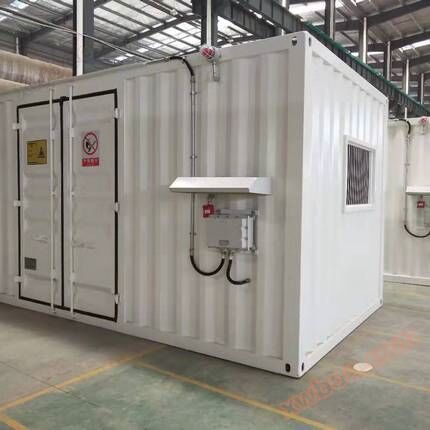
Explosion proof container for hazardous chemicals
NegotiableUpdate on 08/18
- Model
- Nature of the Manufacturer
- Producers
- Product Category
- Place of Origin
Overview
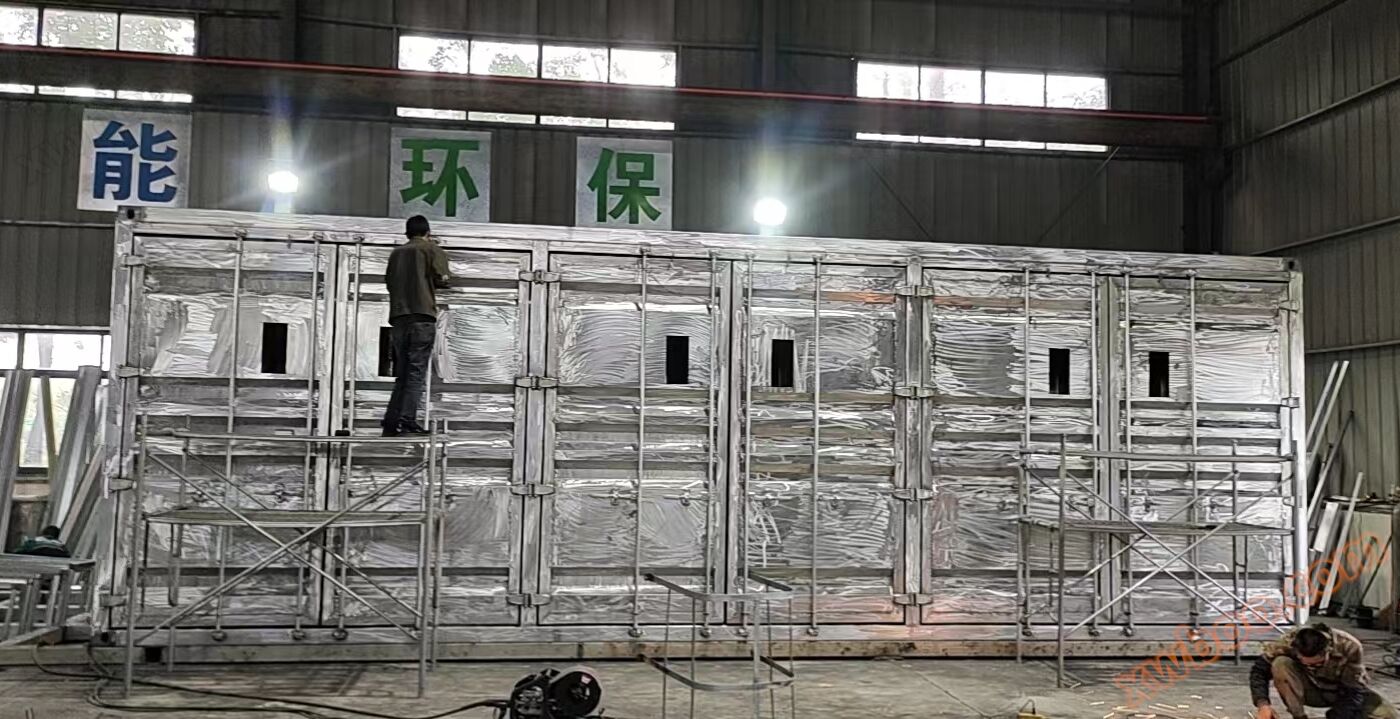
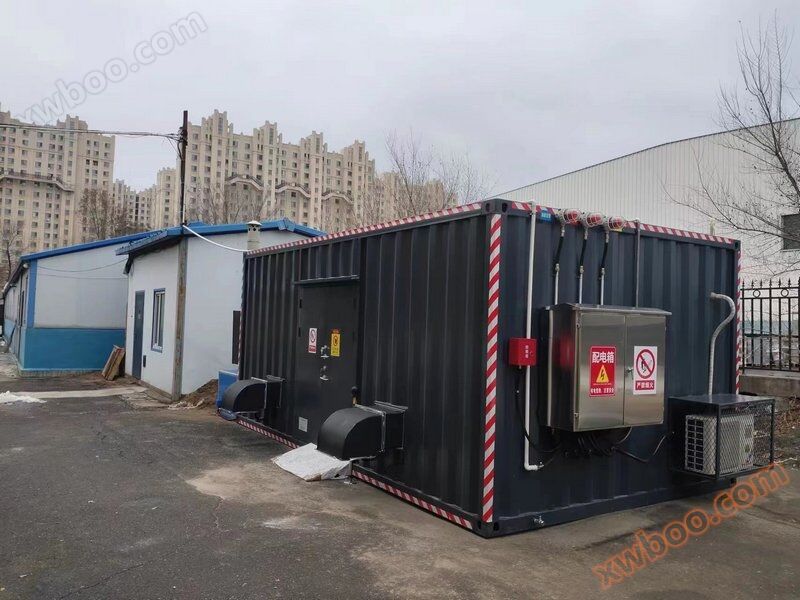
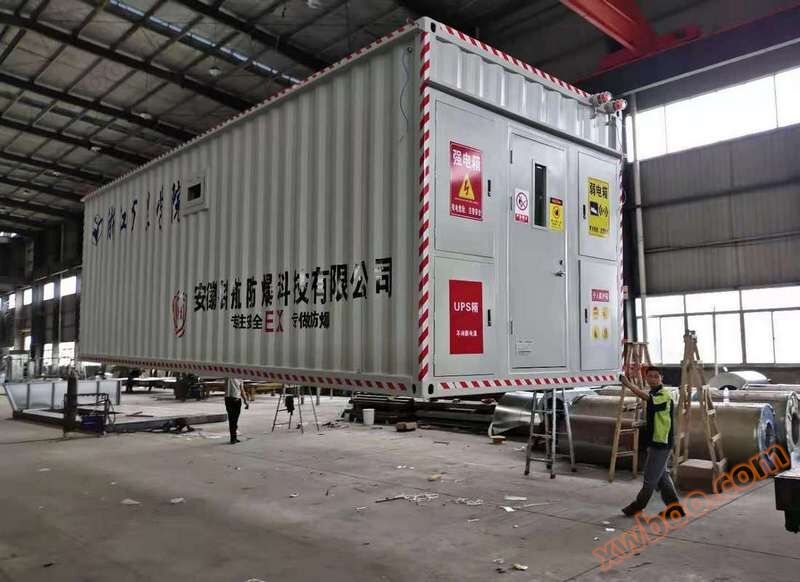
Introduction: Ordinary container refers to the general term for all types of containers except for special cargo containers such as temperature controlled goods, liquid and gas goods, bulk cargo, automobiles, and live animals, as well as aviation containers. Explosion proof dangerous goods containers have been modified on the basis of ordinary containers, and can accommodate dangerous goods, flammable and explosive materials, hazardous chemicals, etc.
Product Details
Ordinary container refers to the general term for all types of containers, except for special cargo containers such as temperature controlled goods, liquid and gas goods, bulk cargo, automobiles, and live animals, as well as aviation containers.
Explosion proof dangerous goods containers have been modified on the basis of ordinary containers, and can accommodate dangerous goods, flammable and explosive materials, hazardous chemicals, etc.
Requirements for Explosion proof Containers for Hazardous Chemicals
Containers used for transporting dangerous goods and chemicals must comply with the requirements of the 1972 International Convention for the Safety of Containers of the International Maritime Organization and pass inspection by relevant inspection departments.
1. Before packing dangerous goods, the packing unit should carefully inspect the container and the dangerous goods to be transported to ensure that they comply with the relevant requirements of the International Maritime Organization's International Maritime Dangerous Goods Transport Regulations. Incompatible goods shall not be shipped together.
2. The loading of goods inside the packaging box should comply with the relevant requirements of the International Dangerous Goods Code. Dangerous goods loaded into the container and the exterior of the container should be marked and labeled with signs and signs in accordance with the requirements of the International Dangerous Goods Code. The exterior of the container shall not have any other unrelated dangerous goods markings.
3. After the packing is completed and inspected by the Ministry of Civil Affairs, the unit responsible for packing should sign a "Container Packing Certificate" that meets the requirements of the International Dangerous Goods Code. The on-site packing inspector should sign the certificate. The Container Loading Certificate should be submitted to the maritime department for inspection. When deemed necessary, the maritime department will require the shipper to present other relevant documents for verification. The packing unit should provide the packing personnel with requirements in advance to ensure the safe transportation and packing of the container; And designate on-site inspectors to be responsible for checking the implementation of packing requirements. The packing unit shall submit the list of on-site inspectors to the nearest maritime department in advance. The maritime department will conduct necessary assessments on on-site inspectors to confirm their qualifications to sign the Container Loading Certificate.
4. Transport units, ships, and port operation departments should inspect containers containing hazardous chemicals. If damage, contamination, leakage, or seepage is found in the container or its components, they shall not be transported or loaded onto the ship.
5. Containers that have been used to transport dangerous goods should still be transported according to the requirements of the original dangerous goods before thorough cleaning or elimination of hazards. The loading and unloading of dangerous goods containers within the port area must obtain the consent of the maritime department. When deemed necessary, the maritime department will conduct sampling and unpacking supervision inspections on the containers to be loaded onto the ship. When it is found that the container or its contents do not meet safety requirements, the maritime department shall instruct the loading unit or carrier to take necessary safety measures based on the current responsibilities of the parties involved, and all consequences arising therefrom shall be borne by the current party.
Business ScopeSuzhou Xinlun Hua specializes in the research and development, production, and sales of explosion-proof electrical equipment such as explosion-proof air conditioners, explosion-proof dehumidifiers, and explosion-proof containers. We offer direct sales from manufacturers and support customization! Provide services such as installation and rectification of explosion-proof circuits, explosion-proof electrical testing and maintenance!
sales areaSurrounding cities such as Shanghai, Suzhou, Nanjing, Changzhou, Wuxi, Nantong, Jiaxing, Huzhou, and various parts of the country.
Similar Product Recommend