-
E-mail
992869178@qq com
-
Phone
18732806660
-
Address
Contact address: Jing County, Hengshui City, Hebei Province
Product Categories
Hebei Hengyu Oil Cylinder Factory
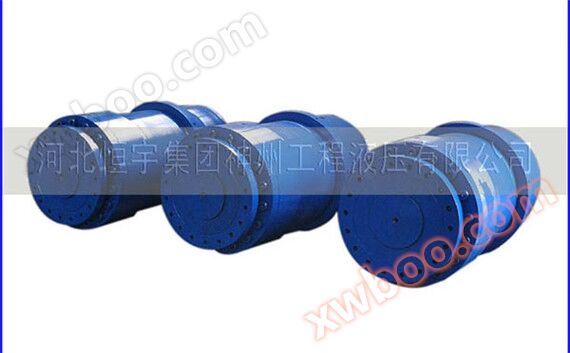
Foton self-propelled hydraulic cylinder
NegotiableUpdate on 01/20
- Model
- Nature of the Manufacturer
- Producers
- Product Category
- Place of Origin
Overview
How to disassemble and install the Foton self-supporting hydraulic cylinder, and where can I find the seals for the Foton self-supporting hydraulic cylinder? Our company is a professional manufacturer of Foton self-designed hydraulic cylinders. We also produce mold opening and closing cylinders, rotary tiller cylinders, baler cylinders, hollow cylinders, and rotary cylinders. In response to your questions, our company will provide answers from this article
Product Details
Foton self-propelled hydraulic cylinder
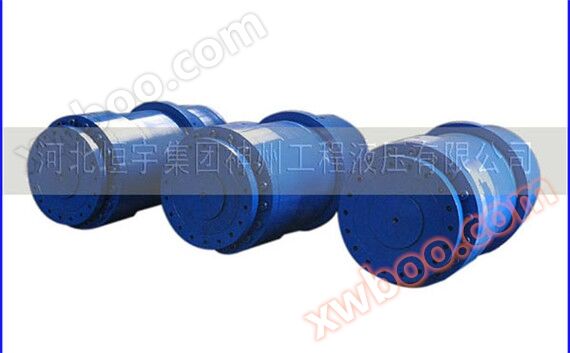
How to disassemble and install the Foton self-propelled hydraulic cylinder? Where can I find the seals for the Foton self-propelled hydraulic cylinder? Our company is a professional manufacturer of Foton self-designed hydraulic cylinders, and also produces mold opening and closing cylinders, rotary tiller cylinders, baler cylinders, hollow cylinders, and rotary cylinders. In response to your questions, our company will provide answers from this article.
Article Introduction:
- Basic Introduction
- Terminology Comparison
- Manufacturer Introduction
- reference price
- Maintenance and related issues
Basic Introduction to Foton Self operated Hydraulic Cylinder
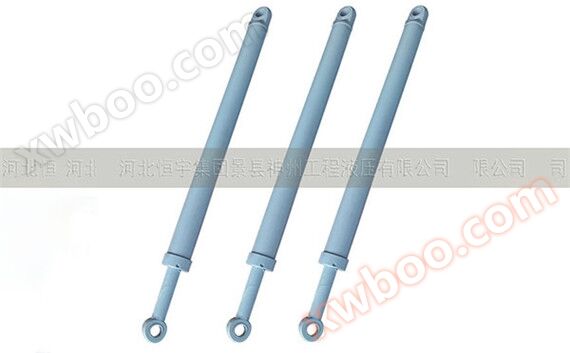
Foton self-supporting hydraulic cylinder: Regularly inspect the chrome plating layer of the cylinder for damage: fully extend the cylinder and carefully check for surface damage such as bumps, strains, welding slag, etc. If the surface damage is located less than 20cm from the cylinder body and the depth of damage is less than 5mm, it should be repaired in a timely manner to prevent long-term damage to the cylinder seal. It is strictly prohibited to have welding slag on the surface of the oil cylinder. Hydraulic cylinder misoperation or malfunction may be caused by the following reasons, which can be investigated from these aspects: (1) stuck valve core or blocked valve hole. When the flow valve or directional valve core is stuck or the valve hole is blocked, the hydraulic cylinder is prone to misoperation or malfunction. At this time, the contamination of the oil should be checked; Check if dirt or gum deposits are stuck in the valve core or blocking the valve hole; Check the wear of the valve body, clean and replace the system filter, clean the oil tank, and replace the hydraulic medium. (2) The piston rod is stuck with the cylinder or the hydraulic cylinder is blocked. At this point, no matter how you manipulate it, the hydraulic cylinder will not move or move very little. At this point, it is necessary to check whether the piston and piston rod seals are too tight, whether dirt and gum deposits have entered, whether the axis of the piston rod and cylinder is aligned, whether vulnerable parts and seals have failed, and whether the load carried is too high. In hydraulic systems, sometimes the inner layer of rubber hoses may peel off, causing the oil circuit to intermittently open and close, resulting in irregular movements of the hydraulic cylinder. Exclusion method: Replace the rubber hose. Surface protection of oil cylinder: During the disassembly and assembly process, it is necessary to provide safety protection for the oil cylinder to prevent objects from falling and hitting it, and welding slag from falling onto the surface, causing damage to the oil cylinder surface. During the propulsion process, it is necessary to prevent damaged pipe segments from falling and injuring, and any remaining slurry on the surface of the oil cylinder during leakage should be cleaned up in a timely manner. The difference between integral oil cylinder and split oil cylinder: The integral oil cylinder and split oil cylinder in the oil cylinder are two different types of oil cylinders, and they have significant differences. The integral oil cylinder is cast as a whole and is not prone to oil leakage and other problems; The split cylinder is welded twice, so if the welding is not handled properly, problems such as oil leakage and cylinder damage may occur. Therefore, it is evident that the answer to this question is to make a difference.
Comparison of Terminology for Foton Self operated Hydraulic Cylinder
Chinese English Comparison of Terms Related to Foton Self operated Hydraulic Cylinder
- Working stroke
- Quick Drainage Valves
- Temperature controller thermostat
- Pipeline, piping: pipeline
- Union cross four-way pipe joint
- Emulsion emulsion
- Step phase
- Strainer filter
Introduction to the manufacturer of Foton self-propelled hydraulic cylinder
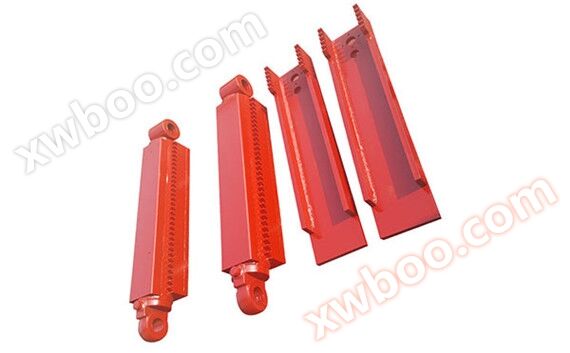
Our company specializes in processing Foton self-propelled hydraulic cylinders, as well as customizing large stroke hydraulic cylinders, garbage truck oil cylinders, calender oil cylinders, large hydraulic cylinders, and rod type oil cylinders. After years of hard work, our company has established reliable cooperative relationships with users in industries such as stationery and toy factories, baking soda factories, scarf factories, poultry processing factories, sandpaper factories, and paper product factories.
Reference price for Foton self-supporting hydraulic cylinder

The cost of Foton self-priming hydraulic cylinders is determined by factors such as thrust size, system pressure, whether pressure maintenance is required, temperature requirements, etc. The frequency of use varies, and the price also varies. The cost of common brands of Foton self-priming hydraulic cylinders ranges from 1100/yuan to 30000/yuan.
Maintenance and related issues of Foton self operated hydraulic cylinder
- Thrust calculation of hydraulic cylinder
Hydraulic cylinder inner diameter=piston diameter=200mm piston area=π (200/2) square=3140 square millimeters=31.4 square centimeters 25MPA=250KG/square centimeter Maximum thrust=pressure * piston area=250 * 31.4=7850KG=78500 Newton This is the maximum thrust. The formula can be derived from the calculation formula. The other data in the question is useless for this calculation. - What is the size of the pump and motor for a 20 ton hydraulic cylinder
Based on a working pressure of 25 megapascals, the oil cylinder should have an inner diameter of 100mm, a piston rod of 63mm, and a stroke of 40mm. Calculated based on 30 reciprocating cycles, the flow rate should be around 25 liters per minute. The motor power is 11 kilowatts. If you want it to be cheap, you can use a 25SCY14-1B oil pump. - How to store hydraulic cylinders
After cleaning the hydraulic cylinder with diesel or kerosene, apply lubricating oil and wrap it in oil paper. It is best to store it in a wooden box in a dry and non corrosive environment. Spray diesel on the outer and inner surfaces of the hydraulic cylinder, cover the inner layer with cloth, and apply rust proof oil and outer coating. Place it in a dry place, clean it with diesel first, and then apply a layer of rust prevention inside and outside with butter. - What is the reason why hydraulic cylinders are difficult to lift or lower
There may be several situations (the equipment results are unknown and may not be accurate): 1. Is there wear on the slow cylinder? 2. Is there air in the slow cylinder? 3. If two cylinders are supplied with oil from the same port, is there a blockage in the slow joint? (Some machining residues may accidentally reach a certain port, which may not have happened before) 4. The oil seal in the slow cylinder leaks, causing oil to leak from the return end. The fourth point is most likely because it is invisible and belongs to a technical malfunction. If it is a dual route oil supply (separate oil supply), it is also necessary to check the oil supply system and return system (valves) of this route. However, this structure is relatively rare in lifting systems


