- Phone
-
Address
108 Jianguo Road, Chaoyang District, Beijing
Product Categories
Laitelide Harbin Water Treatment Equipment Company

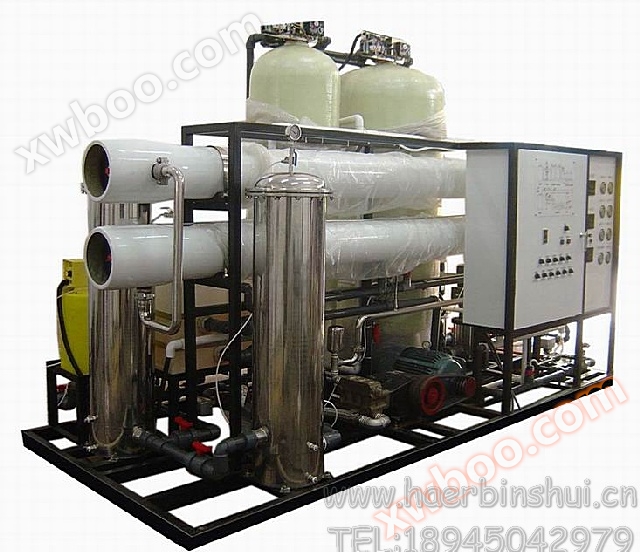
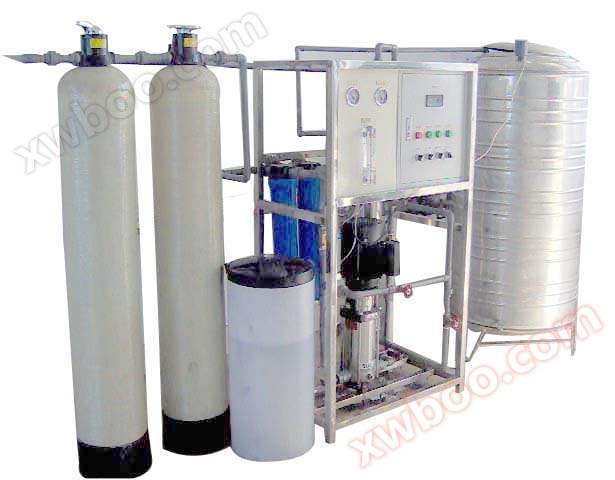
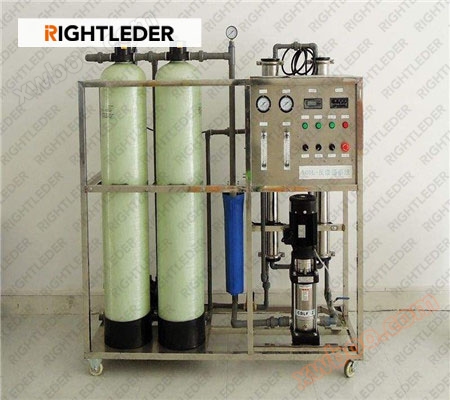
Literide manufacturer directly supplies reverse osmosis purified water equipment
NegotiableUpdate on 05/07
- Model
- Nature of the Manufacturer
- Producers
- Product Category
- Place of Origin
Overview
DH-600RTG Water Treatment Equipment Yichun Water Treatment Equipment, Yichun Pure Water Treatment Equipment, Yichun Reverse Osmosis Water Treatment Equipment, 1. Technical Parameters Yichun Water Treatment Equipment, Yichun Pure Water Treatment Equipment, Yichun Reverse Osmosis Water Treatment Equipment, Literide adheres to the business philosophy of taking technological progress as the guide, ensuring product quality as the core, and providing dedicated and excellent service. It has a relatively complete management system for new product development, quality control, and after-sales service, which is widely praised by users
Product Details
DH-600RTG water treatment equipmentYichunwater treatment equipmentYichun Pure Water Treatment Equipment,Yichun reverse osmosis water treatment equipment,

1、 Technical parameters Yichunwater treatment equipmentYichun Pure Water Treatment Equipment,YichunReverse osmosis water treatment equipment,
Laitelide adheres to the business philosophy of taking technological progress as the guide, ensuring product quality as the core, and providing dedicated and excellent service. It has a relatively complete management system for new product development, quality control, and after-sales service, which has been widely praised by users.
type number:DH-600RTG
Water output: 6 tons per hour
Design maximum flow ratem3/h:6.3-64
Nominal diametermm:DN1000-DN3200
working pressure:Mpa:0.2-0.6
2、 Application scope of reverse osmosis equipment
Preparation of space water, purified water, distilled water, etc; Water used for alcohol manufacturing and alcohol reduction; Pre preparation of water for industries such as pharmaceuticals and electronics; Concentration, separation, purification, and water preparation in chemical processes; Boiler feedwater desalination soft water; Desalination of seawater and brackish water; Water and wastewater treatment for industries such as papermaking, electroplating, and printing and dyeing.
The main factors affecting the desalination rate and normal operation of reverse osmosis equipment are:
1. Ion valence: The desalination rate increases with the increase of ion valence, and the desalination rate of divalent and trivalent salts is higher than that of monovalent salts;
2. Molecular size: The desalination rate increases with the increase of molecular diameter;
3. Raw water temperature: As the raw water temperature increases, the desalination rate increases due to the decrease in water viscosity;
4. Raw water concentration: When the raw water concentration increases, the desalination rate decreases;
5. Work pressure: When work pressure increases, the desalination rate increases but not significantly;
6. pH value: Although the membrane is not easily clogged under acidic conditions, the desalination rate will decrease slightly;
7. Dissolved gases: Dissolvable gases are easily permeable in their free state without removing CO2, SO2, O2, Cl2, H2S, etc;
8. Hydrogen bonding trend: For compounds containing strong hydrogen bonds, the removal rate is very low, such as water, phenol, and ammonia; It is precisely because of this that the removal of impurities and dissolved substances from water is achieved, achieving the goal of separating water from other substances;
9. Organic matter: Organic matter in water has a polluting effect on membranes, and the more organic matter there is, the more likely the membrane's performance is to deteriorate;
10. Hardness of water: The higher the hardness of water, the easier it is for the membrane to clog. For high hardness water, softening treatment should be carried out first to reduce the hardness before entering reverse osmosis;
11. Solid particles: Solid particles pose a great threat to reverse osmosis membranes and require pre-treatment;
12. Microorganisms: Microorganisms and bacteria in water are harmful to membranes and must be pretreated (our company uses ultrafiltration membranes for treatment, which is at an advanced level in China);
13. Oxide: Metal oxides cannot be removed by reverse osmosis on their own and should be regularly removed by chemical agents.
Application scope
*Desalination of seawater, desalination of brackish water, and defluorination of drinking water;
*Preparation of purified drinking water;
*Preparation of softened water and deionized water for boilers;
*Preparation of pharmaceutical water;
*Preparation of ultrapure water for electronic industry;
*Liquid separation, concentration, and recovery of valuable objects.
The specifications and models of reverse osmosis equipment should be composed of the raw water quality, water production requirements, water production volume, and the specifications and models of the reverse osmosis membrane used provided by the user. Our company can use reverse osmosis design software to design and select equipment based on the raw water quality test report provided by the user (or provide water samples for our company to test). The equipment models determined based on the unit time water production volume are: 0.5T/H, 1.0T/H, 1.5T/H, 2.0T/H
3.0T/H、4.0T/H、5.0T/H、10T/H、15T/H、20T/H、30T/H、40T/H、50T/H、60T/H、100T/H。 According to user requirements, each model can also be designed with two-stage reverse osmosis to provide users with high-quality pure water.
2、 Reverse osmosis principle
According to the principle of permeation, there is a difference in "chemical potential" on both sides of a semi permeable membrane, which is compensated for by the permeation process of the solution. When equilibrium is re established, a water level difference or net pressure difference is formed on both sides of the semi permeable membrane, which is the osmotic pressure. Osmotic pressure is a property of the solution itself, which depends on the concentration of the solution and is not related to the semi permeable membrane. The relationship between osmotic pressure and solute concentration is:
Posm=1.19(T+273)×∑(mi)……………………………(1)
In the formula: Posm................... osmotic pressure (psi);
Temperature (℃);
∑ (mi)...... The total molar concentration of all solutes in the solution;
In a container with a semi permeable membrane, pure water flows through the membrane towards the saltwater side, a phenomenon known as permeation, until a new equilibrium is established. At this point, the static pressure difference on both sides of the membrane is the osmotic pressure. When an external pressure is applied to the saltwater side, the original equilibrium will be affected. External pressure will increase the chemical potential on one side of the salt solution, causing the water in the saltwater to flow through the semi permeable membrane towards the pure water side. This phenomenon is called reverse osmosis. The driving force of reverse osmosis process is external pressure, and the energy required for reverse osmosis separation is directly related to the concentration of saltwater.4、 Water treatment equipment flow chart: Yichunwater treatment equipmentYichunPurified water treatment equipment

Similar Product Recommend