Polyacrylamide Cost-Performance Analysis: High Efficiency at Direct Factory Rates
10,30,2026 6 views


08,14,202524From:
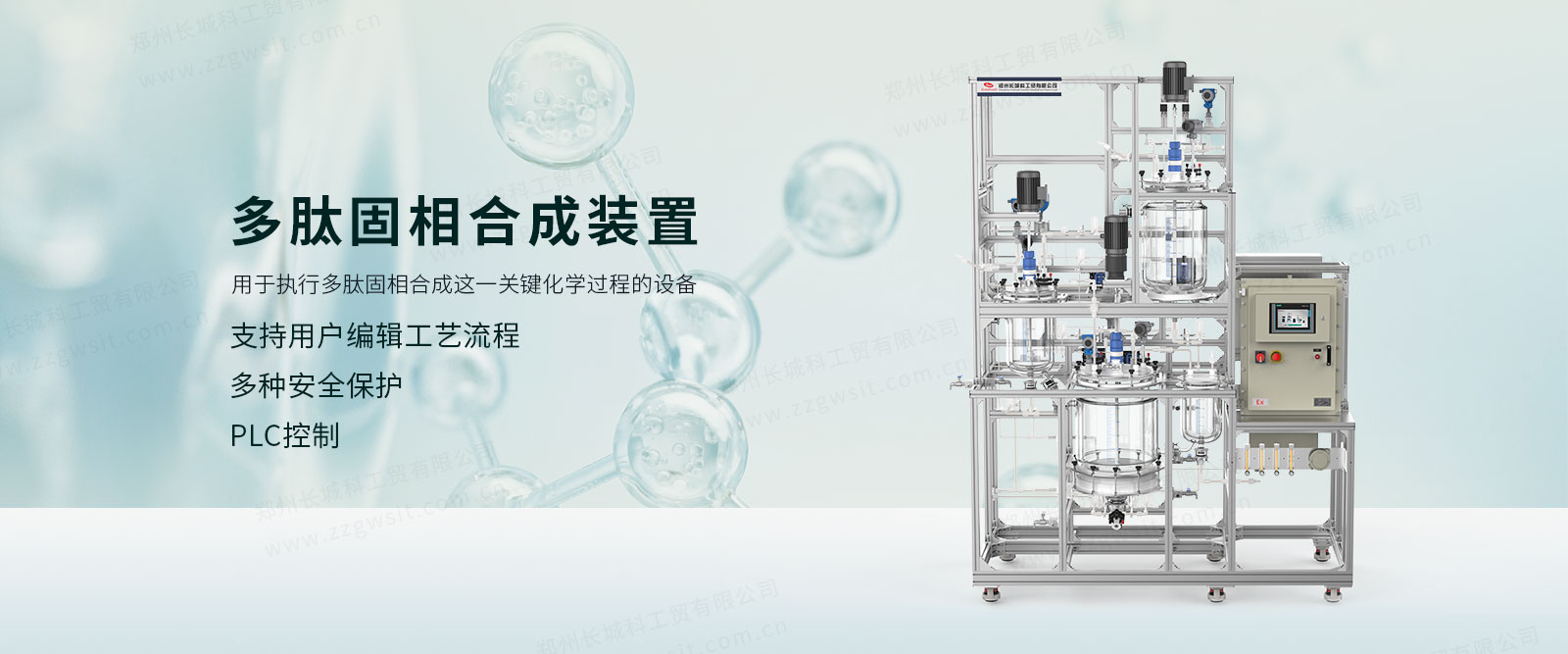
Peptide solid-phase synthesis device is a specialized equipment used to perform the key chemical process of peptide solid-phase synthesis. It achieves gradual construction on a solid-phase carrier
The technology of building polypeptide chains. The device is fully automated and controlled throughout the entire process, equipped with a PLC control system that supports user input and editing of peptide synthesis sequences
Automatically execute the synthesis steps according to the preset sequence, and set reaction parameters.
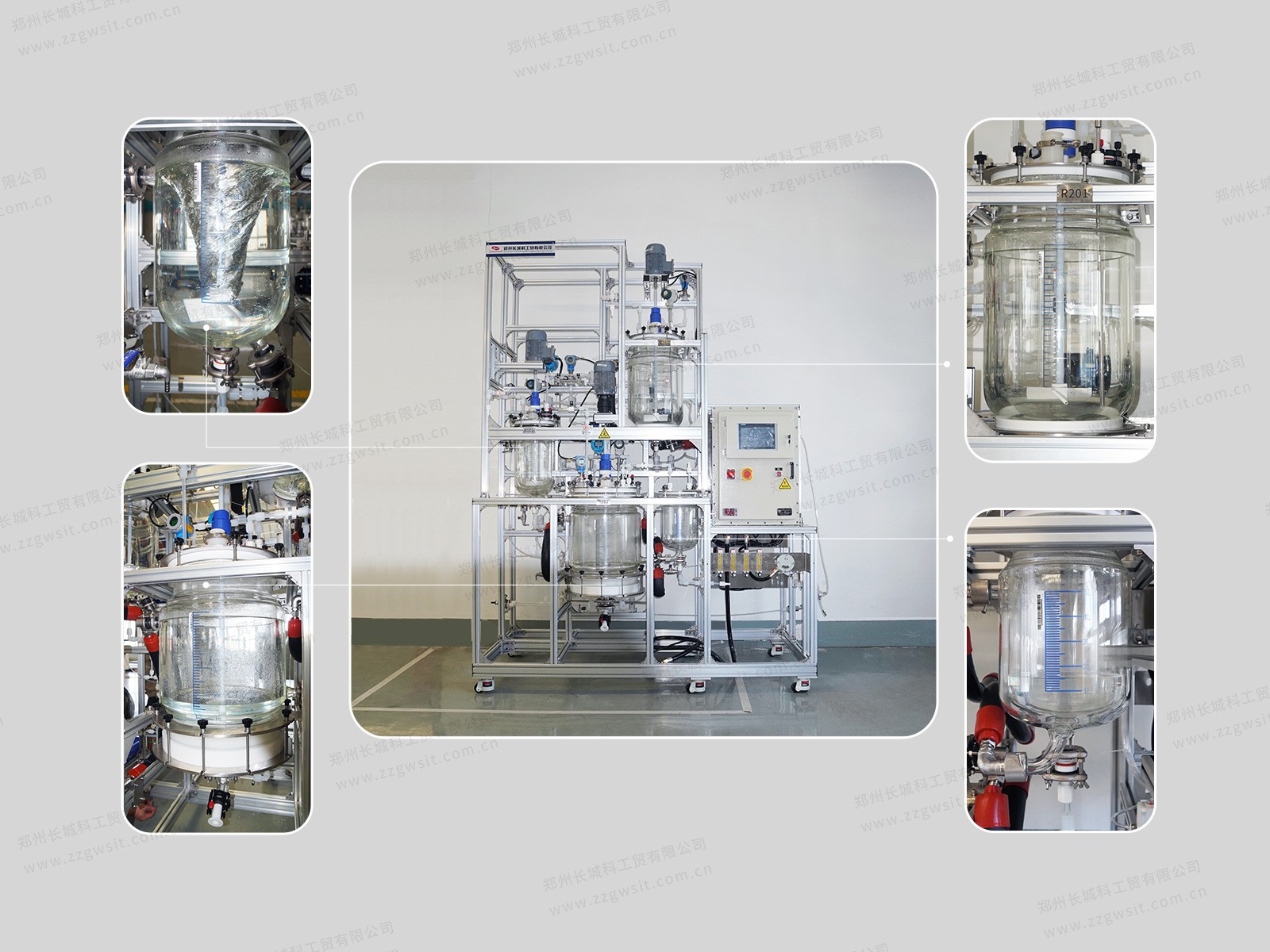
Product Features
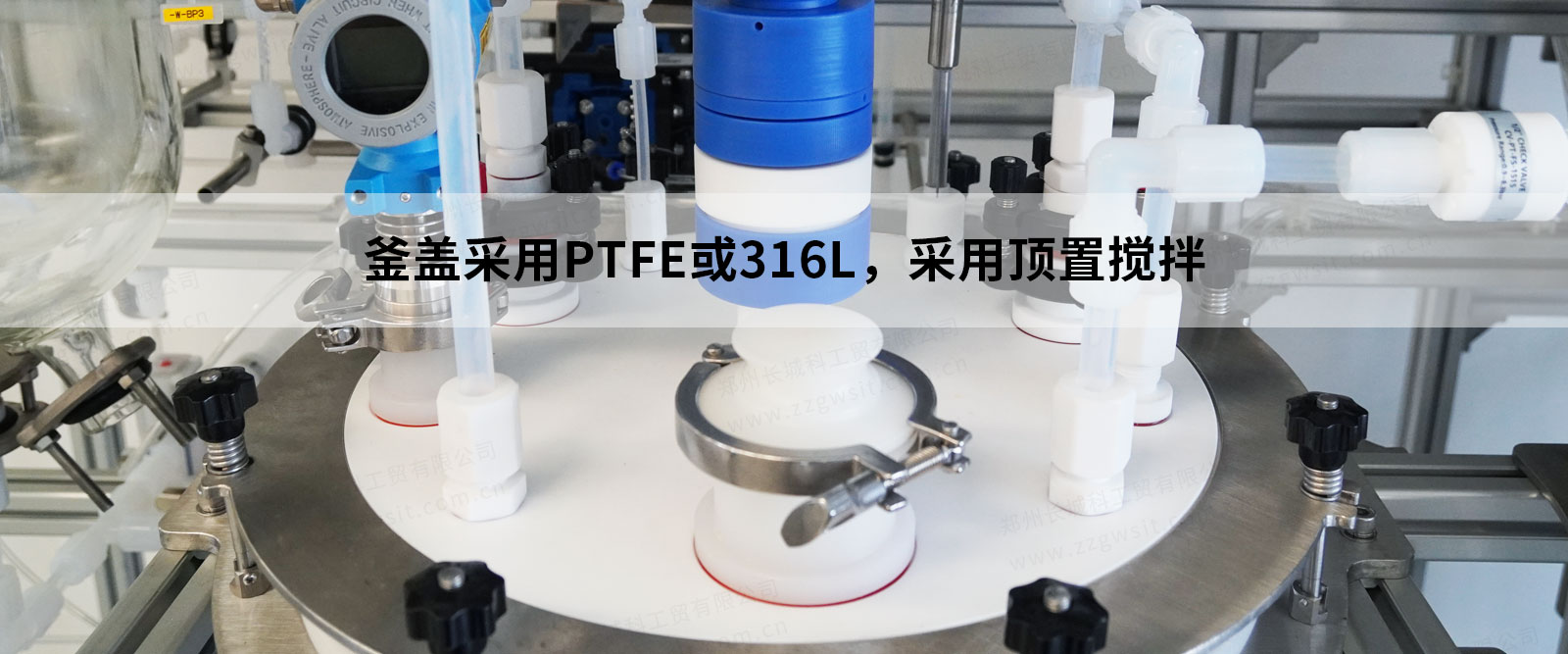
1. The reaction kettle, mixing tank, and activation tank are made of 3.3 borosilicate glass or stainless steel 316L, and the kettle cover is made of PTFE or 316L. Top stirring is used;
2. Support user input and editing of peptide synthesis sequences, capable of automatically executing synthesis steps according to preset sequences;

3.Can set reaction parameters (temperature, time, stirring speed, liquid dosage);

Specifications

Application of Peptide Solid Phase Synthesis Device
1.Drug development and production:
2. Diagnostic reagents:
3. Basic research and biochemistry:
4. Materials Science:
Biomaterials: synthesis of polypeptides with specific self-assembly properties, used to prepare nanofibers, hydrogels, etc., and used in tissue engineering and drug delivery.
Biosensing: Fixing functional peptides on the sensor surface for detecting specific molecules.
5. Cosmetics industry:
Synthesize signal peptides with specific biological activities (such as palmitoyl pentapeptide-4, acetyl hexapeptide-8) for cosmetics with anti-aging and collagen synthesis promoting effects.
6. Affinity purification:
Synthesize peptides containing specific tags (such as FLAG, HA, His tag) for immobilized metal affinity chromatography, immunoaffinity chromatography, or streptavidin purification systems.