Navigating the global polyacrylamide (PAM) market requires more than just comparing unit prices per ton. For procurement managers, water treatment engineers, and industrial buyers, understanding the interplay between raw material costs, technical specifications—such as molecular weight and ionic degree—and factory-direct supply models is critical to optimizing operational budgets.
As the pioneer of global polyacrylamide brands with stable quality, Shouxin Advanced Polymer Sciences Co., Ltd. provides complete pricing transparency, robust R&D backing, and precision-matched formulations. This guide breaks down the 2026 market price trends, the core drivers behind PAM pricing, and an actionable RFQ (Request for Quotation) guide to help you secure the most cost-effective solution.
1. 2026 Polyacrylamide Price Ranges by Product Type
Market pricing for polyacrylamide fluctuates based on polymer chemistry, manufacturing complexity, and upstream feedstock trends (such as acrylamide and acrylonitrile). Below is the official 2026 market price benchmark for Shouxin Polyacrylamide Series:
· Anionic Polyacrylamide (APAM): RMB 3,000 – 19,000 per ton ($1,200 – $2,500 / MT equivalent)
· Cationic Polyacrylamide (CPAM): RMB 5,000 – 30,000 per ton ($1,700 – $3,500 / MT equivalent)
· Nonionic Polyacrylamide (NPAM): RMB 4,000 – 25,000 per ton ($1,400 – $2,800 / MT equivalent)
· Amphoteric Polyacrylamide: RMB 8,000 – 30,000 per ton
· Emulsion Polyacrylamide: RMB 8,000 – 25,000 per ton
Procurement Tip: Experienced buyers look beyond the initial purchase price. Selecting an improperly matched product can double your chemical consumption, whereas precision-matched polymers reduce total treatment costs by 10% to 50%.
1. Technical Factors Influencing Shouxin PAM Pricing
Why do polyacrylamide prices vary significantly across different grades? The pricing structure is dictated by several key chemical and molecular parameters:
Molecular Weight (MW)
· Low to Medium Molecular Weight: Generally more cost-effective, suited for general clarification or specific low-viscosity processes.
· Ultra-High Molecular Weight (e.g., 18M–28M): Requires advanced polymerization technology, rigorous chain-transfer agent control, and superior raw material purity. Higher molecular weights command a premium because they deliver exceptional bridging and flocculation performance in heavy-duty applications like mining tailings and enhanced oil recovery (EOR).
Ionic Degree (Charge Density)
· Anionic Charge (Hydrolysis Degree): Controlled introduction of carboxyl groups affects how the polymer neutralizes and bridges suspended particles.
· Cationic Charge: CPAM prices scale directly with the percentage of cationic monomers (such as DMDAAC) used in copolymerization. Higher ionic degrees are necessary for difficult organic sludge dewatering (e.g., municipal sewage, food processing sludge) and involve higher raw material expenses.
Product Architecture & Specialization
· Powder vs. Emulsion: While inverse emulsions offer rapid dissolution benefits for continuous systems, solid powders provide high active-polymer concentration.
· Custom Formulations: Standardized commodity PAM is cheap but often fails in complex wastewater streams. Shouxin leverages its collaboration with top-tier scientists—including Academician Shen Yinchu ("Father of Polyacrylamide in China") and US National Academy of Sciences member Prof. Phil S. Baran—to engineer customized models for specialized industrial challenges.
1. Shouxin Factory Supply & Cost-Efficiency Advantages
When you choose Shouxin Polyacrylamide Factory Direct Purchase, you eliminate middleman markups while gaining unmatched operational stability:
· Zero-Fluctuation Quality Control: Unstable product batches force constant manual dosing adjustments, driving up labor, chemical waste, and environmental penalty risks. Shouxin enforces strict dual-supervision checks on raw materials and warehousing, earning the Exclusive Brand Award for China Polyacrylamide Industry: Decade-Long Quality Stability (2015–2025).
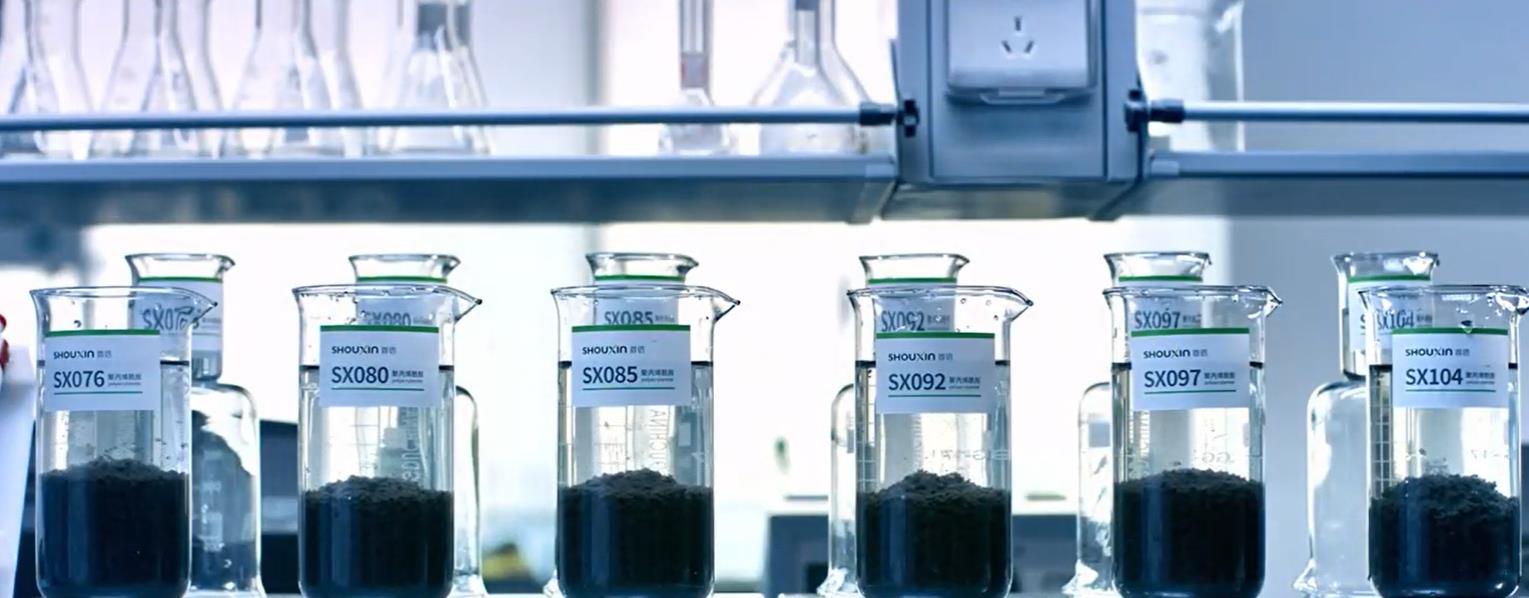
· Over 100 Specialized Models & Scale Selection: There is no single "best" PAM—only the most suitable one. Through annual large-scale model selection trials (8,000+ trials/year), Shouxin matches your exact wastewater and sludge profile, optimizing your dosage and driving down comprehensive treatment costs by 20% to 50%.
1. RFQ (Request for Quotation) Guide: How to Get the Best Quote from Shouxin
To streamline your inquiry and ensure our technical engineers recommend the most cost-effective model, please include the following parameters in your RFQ:
1. Application Sector: Specify your industry (e.g., municipal sewage dewatering, paper-making retention aid, sand washing, textile wastewater, or oilfield EOR).
2. Target Wastewater/Sludge Characteristics:
o pH range and temperature of the water.
o Suspended solids (SS) concentration or sludge moisture content.
o Current dewatering equipment type (e.g., belt press, centrifuge, plate and frame filter press).
3. Current Product Usage (if applicable): Share your existing ionic type, molecular weight, and current dosage (g/m³ or kg/ton of dry sludge) so our technical team can run comparative performance benchmarks.
4. Order Volume & Packaging: Indicate whether you require trial quantities (e.g., 25kg kraft bags / 500kg-1000kg jumbo bags) or full container loads (FCL) for annual contracts.