Fixed asset management software
The fixed asset automatic identification management system is a practical management software characterized by physical management and aimed at simplifying complexity. The automatic identification and management system for fixed assets addresses the common issue of discrepancies between physical assets and financial accounts in fixed asset management. By utilizing radio frequency technology, the system solves the problem for enterprises, ensuring orderly management and consistency between accounts and assets.
In response to the cumbersome calculation of fixed asset depreciation, the average depreciation method is used to quickly complete the depreciation calculation of fixed assets, and the calculation results are accurate and error free.
By utilizing efficient data transmission technology and unique permission management concepts, business leaders can have a comprehensive understanding of all fixed assets of the enterprise from the office.
Since the system was put on the market, it has been unanimously praised by users for its simple use method and accurate calculation results, and has been affirmed by professionals for its security of operation and progressiveness technology, and has been praised by enterprise leaders for its convenient and accurate query function.
Users generally reflect that the asset inventory work that used to take several months for dozens of people can now be easily completed by a few people in just a few days; The tedious depreciation calculation work used to take several days, but now it can be accurately completed in just a few seconds; The previous situation of a large number of repeated purchases and idle waste can now be resolved in a timely manner, enabling enterprises to truly implement the principle of thrift.
In summary, the automatic identification and management system for fixed assets has greatly improved the efficiency of enterprise work by dozens of times, while also greatly increasing enterprise benefits and reducing enterprise costs. The automatic identification and management system for fixed assets is definitely a good helper for enterprise management.
Fixed asset management is an important component of enterprise management. Fixed assets have the characteristics of high value, long service life, and difficult management. In response to these issues, this system utilizes computer and RF data acquisition technology to achieve information management of fixed assets.
Advantages of Fixed Asset Management Software:
Powerful practical functions;
Advanced RF technology management methods;
Efficient network and remote data transmission; (Online version)
Unique permission management;
Friendly user interface, easy to learn.

Fixed asset management software
Characteristics of fixed asset management software:
1) Powerful practical functions
Fixed asset management software includes asset addition, change, scrapping, damage, depreciation, lending, return, allocation of use departments, change of use departments, setting of management personnel, exchange of assets between departments, printing of various reports, combination queries, etc. For each fixed asset, detailed records of its purchase, accounting, deployment, department of use, depreciation status, and exit from use can be obtained. The dynamic query function can ensure that management personnel have comprehensive information and data at the first time. Batch depreciation of assets can reduce a lot of repetitive labor and ensure the accuracy of data. Automatic report preparation and printing are fast and accurate, which can save a lot of time in manual report preparation.
Fixed asset management software consolidates previously scattered management information and combines it into a management platform with overall functionality
2) Advanced RF card management method
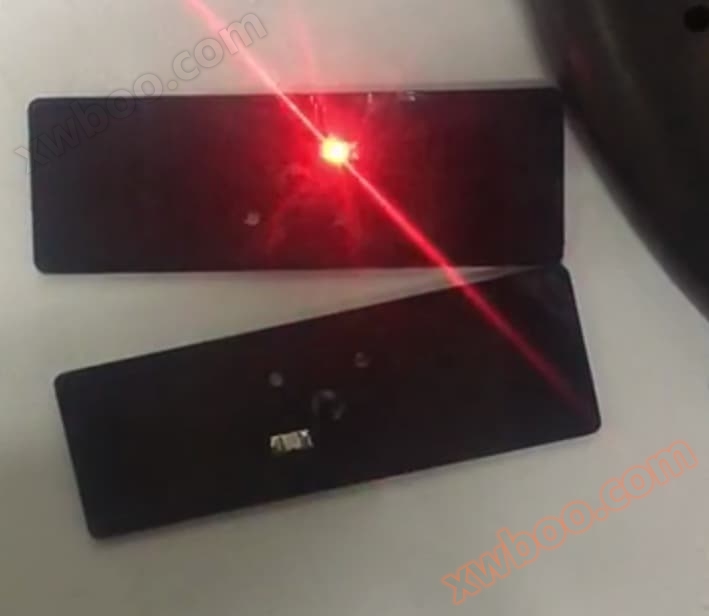
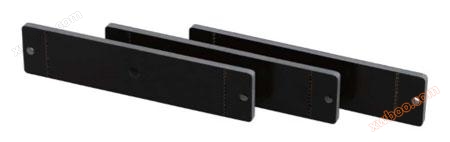
After inputting the relevant data of each newly purchased asset into the computer, the information will be written into the RF card according to the corresponding software. The content of the RF card can be set by the user, including the fixed asset name, purchase date, storage (using department), etc. Attaching RF cards to physical fixed assets not only clearly distinguishes the departments using the fixed assets, but also brings great convenience to inventory. Inventory personnel do not need to record asset codes or check account books for inventory. They only need to use a dedicated RF inventory machine to read the RF cards on the fixed assets, and the card information is automatically stored in the RF inventory machine.
The RF inventory machine is similar to those used in supermarkets, but has significant differences. This type of RF inventory machine is powered by batteries and does not need to be connected by wires. Inventory personnel can easily carry it anywhere for mutual verification, and the information read in is stored in the RF inventory machine. The inventory machine can store nearly 20000 fixed asset codes, which increases the inventory speed by more than 90% and avoids duplicate or incorrect inventory. After reading the incident frequency card information, connect the RF inventory machine to the computer through the computer to quickly obtain the actual situation of the assets. By combining queries, changes in asset profits and losses can be immediately discovered. In addition, inventory information can be uploaded to the server in real-time through wireless networks such as WiFi;
3) Efficient data transmission
The fixed assets management software can not only query the fixed assets locally, but also realize two-way transmission through the enterprise intranet and the Internet, so that various information data can be shared by other users at the same time. (Limited to online version)
4) Unique permission management
In fixed asset management software, full consideration is given to the different responsibilities of each operator, and corresponding operational permissions are established for each operator. Through user identity and password recognition, different operators can only perform limited operations within their scope of responsibilities. This ensures the stability of the system while also providing a certain degree of flexibility to enhance adaptability.
Implement functions
Based on the analysis of user needs, we believe that this system should have the following functions:
1. Daily asset management function
This mainly includes daily work such as adding, modifying, exiting, transferring, deleting, splitting and calculating depreciation and residual value rates of fixed assets.
2. Asset depreciation
Including provision for monthly depreciation of fixed assets and printing monthly depreciation reports.
3. Monthly report on fixed assets
Search and classify monthly (annual) reports, monthly reports on added fixed assets, monthly reports on reduced fixed assets, monthly reports on fixed asset depreciation (annual reports) based on unit, department, time and other conditions, and provide printing function.
4. Comprehensive query of fixed assets
You can query the status of a single or a batch of fixed assets, including asset cards, custody status, valid asset information, departmental asset statistics, exit assets, transfer assets, historical assets, name specifications, start and end dates, units or departments.
5. Inventory function
By comparing the data in the RF inventory machine with the data in the database, and processing normal or abnormal data, the actual situation of fixed assets can be obtained, and inventory surplus details, inventory loss details, and inventory summary tables can be generated by unit and department.
6. System maintenance function
The system administrator shall classify the asset code table, exit method code table, purchase method code table, storage location code table, department code table, custodian personnel table, and unit name table. Perform operations such as adding, modifying, and deleting;
Provide the function for operators to modify their own passwords;
System administrators can freely set the operational permissions of subordinate operators for functions.
7. Security management function
Provide various security management measures;
Password management function: maintain accounts and passwords;
Permission control function: Divide users into different levels to determine their system usage permissions, and determine different operations based on different permissions.
BarTenderThere are more fixed asset management software and usage methods for label printing software. Please pay attention to BarTender's barcode printing software.