-
E-mail
contactus@easylinkin.com
- Phone
-
Address
3rd Floor, Building D, Optics Valley Exhibition Center Expansion Project, No.1 Software Park East Road, Donghu New Technology Development Zone, Wuhan City
Product Categories
Wuhan Huilian Unlimited Technology Co., Ltd

Smart Campus IoT Solution
NegotiableUpdate on 10/30
- Model
- Nature of the Manufacturer
- Producers
- Product Category
- Place of Origin
Overview
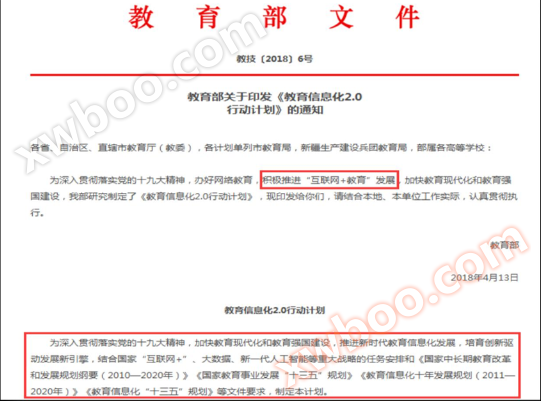
Industry Background: In 2018, the Ministry of Education and the National Standards Committee successively issued policies and standards such as the "Education Informatization 2.0 Action Plan", the "Notice on the Construction Norms (Trial) of Digital Campus in Primary and Secondary Schools", and the "Overall Framework of Smart Campus"
Product Details
Industry background
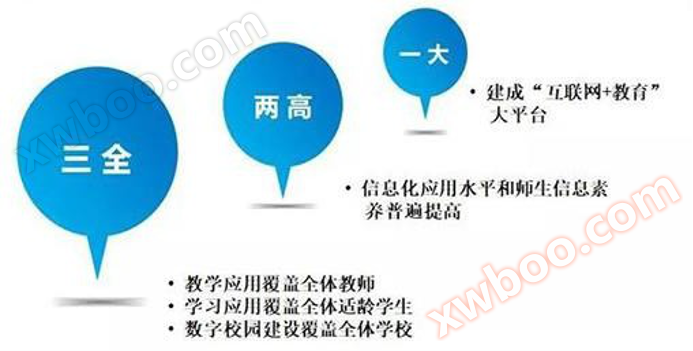
In 2018, the Ministry of Education and the National Standards Committee successively issued policies and standards such as the "Education Informatization 2.0 Action Plan", the "Guidelines for the Construction of Digital Campus in Primary and Secondary Schools (Trial)", and the "Overall Framework for Smart Campus". Among them, the "Smart Campus Overall Framework" issued by the State Administration for Market Regulation and the National Standardization Administration of China has been officially implemented since January 1, 2019. The framework standard requires schools to achieve intelligent perception, intelligent control, and intelligent management.
3. Establish a conservation oriented smart campus and a safe smart campus, and work together to create a beautiful campus living environment in the new era.
2The integration infrastructure emphasized by the new infrastructure includes smart education infrastructure, which has expanded from hardware based to software and hardware basedService and smart campus will usher in new catalysis and acceleration.
customer pain points
Campus safety:Lack of security alerts for abnormal situations,Frequent safety accidents are difficult to prevent;
Campus energy conservation and environmental protection:Campus energy consumption is high, and there is a lack of unified electricity analysis and control, which requires response to energy-saving and emission reduction policies.
Campus management efficiency:There are numerous campus devices, making it difficult to achieve unified intelligent perception, control, and management.
Scalability of Campus Informatization:The campus scene is complex and difficult to achieve full scene networkingConstruction;Traditional IoT solutionsThe plan is relatively closedThe data between systems is not interconnected, making it difficult to smoothly upgrade and expand.
construction objectives
Based on the new generation LPWAN wide area Internet of Things connection technology, in the scenario of smart campusdown,throughDeploy a large number of wireless IoT sensor terminals to fully collect valuable real-world physical data within the campus area. And through uninterrupted 24-hour communication and collection, the timeliness of identifying risk items and dangerous situations has been greatly improved. A large number of wireless IoT sensor devices can quickly collect and process real-time data from various terminals for cloud or local servers through high-quality LPWAN wide area IoT coverage. On the side of the IoT cloud platform, data collection and fusion between broadband and narrowband IoT devices are used to achieve wide and narrowband fusion, data interoperability, and avoid the occurrence of information silos. As the foundation of the IoT PaaS layer, the IoT cloud platform improves reliable data transmission, parsing, and data conversion processing for various SaaS application platform systems that meet campus application scenarios. Furthermore, it aims to achieve unified and standardized management of campus data. Truly realizing the smart campus ecosystem of the Internet of Things.

In the construction process of IoT smart campus, we should clearly achieve the following goals:
1. Comprehensively enhance the safety level of campus, especially the safety level of campus fire protection.
2. ImplementationMore accurate energy consumption statistics and more convenient cost management.
3. Maintain compatibility and openness at the system level to facilitate the continuous informationization construction and transformation of the school.
4. Greatly reduce the overall deployment difficulty and cost of IoT smart campus solutions, shorten the overall installation cycle, and do not affect the daily teaching and management work of the school.
Solution Introduction
The architecture of the IoT smart campus system should comply with the overall architecture design principles of IoT projects, and be divided into: device layer, network layer, PaaS IoT management platform layer, smart campus SaaS application layer, and multi terminal interactive interface. Provide convenient remote monitoring and control functions for school management personnel, including school management, post management personnel, and school teachers, to facilitate daily school operation and management.

Business Scenario
Through the LPWAN connection technology of the Wide Area Internet of Things, in the scenario of a smart campus, we can use a large number of different types of sensor terminals to build different specific business scenarios. include:
1Wireless sensor terminals for energy scenarios: light control switchesAir conditioning controller, smart meter, smart circuit breaker, etc.
2. Environmental ScenariosWireless sensor terminals: temperature and humidity monitors, air quality monitors, multifunctional weather stations, etc.
3. Fire sceneWireless sensor terminal:Smoke alarm, intelligent water pressure gauge, electrical fire alarm, etc.
4. Security sceneWireless sensor terminal:Wireless smart door lock, door magnetic sensor, water immersion monitor.
5. Networking equipment: G200LPWAN IoT gateway, G500LPWAN IoT gateway.
Through analysis and statistics of various types and dimensions of data, we canThe following five main scenarios are implemented on campus, including:
1. Campus Smart Classroom Solution
2. Monitoring solution for school computer rooms
3. Campus Smart Office Solution
4. Campus air quality monitoring solution
5. Campus fire safety monitoring solution

Campus Smart Classroom Solution
As shown in the figure, by intelligently managing lighting, air conditioning, and air quality, we aim to create a safe, energy-efficient, convenient, comfortable, and efficient learning environment for students. The campus smart classroom solution can achieve the following functions:
1. Lighting management
When the illumination is too weak (below 300Lux), the lights will automatically turn on to ensure that the lighting intensity in the classroom is suitable for students to read and write; The lighting can use wireless passive switches without wiring, and can be remotely controlled to turn on and off automatically during non class hours, achieving energy conservation.
2. Air conditioning control
Collect the electricity consumption and operating power of classroom air conditioning, adjust the operating status of the air conditioning, and monitor the temperature and humidity environment of school classrooms. Instructions can be issued through the cloud platform to adjust the temperature and mode settings of the air conditioning. Simultaneously supporting human infrared linkage control of air conditioning. Automatically turn off the air conditioning in the classroom when there is no one present. It is also possible to automatically associate the mode settings of classroom air conditioning based on the monitoring of outdoor environmental conditions on campus, achieving energy conservation and emission reduction.
3. Environmental monitoring
Detect temperature, humidity, and human body infrared. Human body infrared can be used for monitoring students' retention after school to prevent management problems caused by students staying alone; Air quality monitors can monitor temperature, humidity PM2.5、 Formaldehyde, VOC, CO2 concentration. Ensure the air quality in the classroom environment.
4. Energy management
Electricity metering with remote control can be used to uniformly shut down electrical equipment and achieve energy conservation. Logistics management personnel can control the lighting and air conditioning equipment of each classroom without the need to move around. Greatly reducing labor costs.
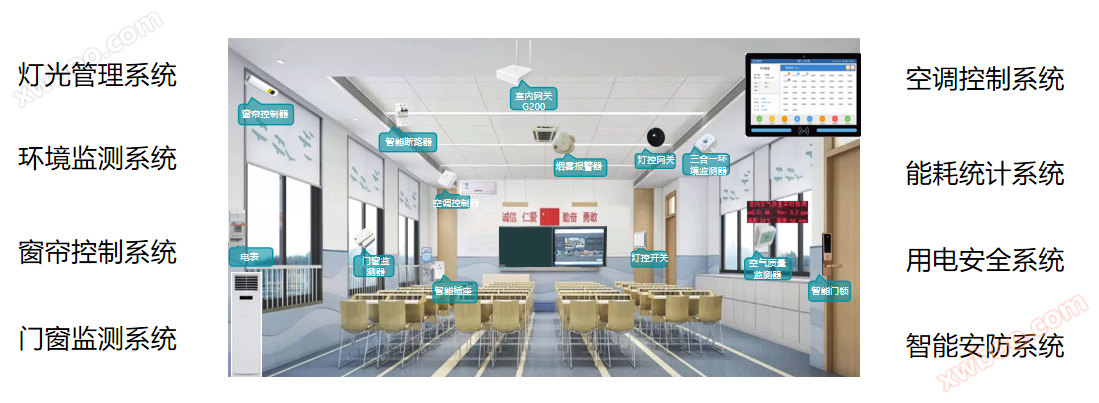
The smart classroom solution also supports subsystem expansion, including:
1.Curtain controller:Control the curtain situation according to the scene mode, and open and close the curtain with one click.
2. Intelligent circuit breaker: occurrenceAutomatic tripping in case of short circuit overload; It is also possible to remotely control the unified shutdown of power lines to achieve energy conservation.
3. Door magnets:When doors and windows are abnormally opened, an alarm will be triggered in the background, and the alarm information can be sent to the management personnel through SMS or voice.
4. Smart door lock:Supports password, fingerprint, and mobile unlocking, can be linked with electronic class cards, and is used for special laboratories or computer rooms.
School Smart Computer Room Solution
By using IoT terminals to collect real-time information on the power, environment, safety, and other aspects of the computer room, management personnel can browse the application platform page or mobile devices to understand the situation of the computer room in real time, and grasp the working status of the computer room anytime, anywhere. Ensure the security of data center information and improve the efficiency of data center operation and maintenance management.Through LPWAN wide area Internet of Things, connect device terminals to achieve monitoring of UPS, batteries, power parameters, and energy consumption in the computer room. Realize the temperature and humidity of the computer room environment PM2.5、 Computer room air conditioning monitoring. Implement security monitoring for computer room door locks, human infrared intrusion, door magnets, water immersion, and video.
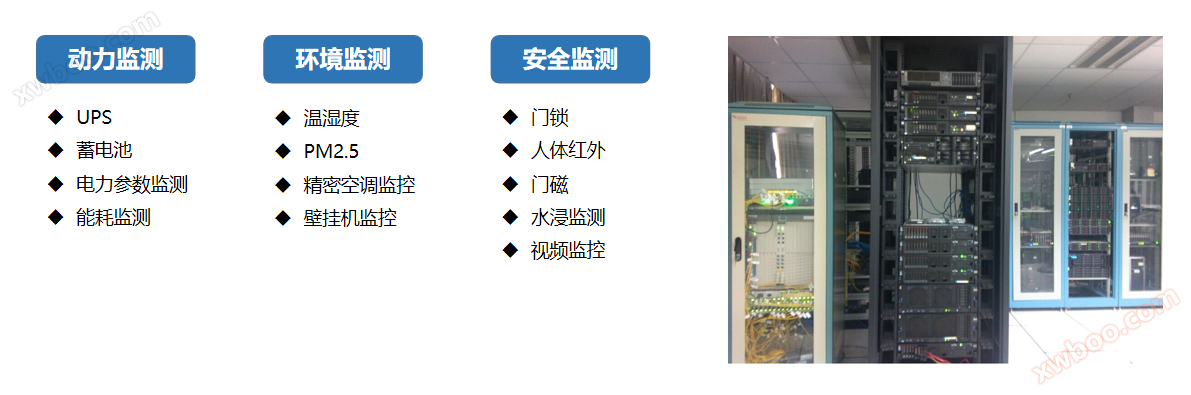
Power monitoring:
Real time measurement of the main power indicators of the distribution system, and the ability to set threshold values for exceeding limits. Once exceeded, abnormal electricity usage will be reported to the monitoring platform.
Monitor the operating status and parameters of various parts such as UPS rectifier, inverter, battery (including voltage and current values), bypass, load, etc. Once the UPS generates an alarm, report abnormal messages to the monitoring platform.
The management system directly reads the on-site electricity meter readings, automatically saves the historical data read, forms an electricity consumption file, and can view the year-on-year and month on month energy consumption data of the system.
Based on historical data records, the fault point can be quickly located, and faults can be eliminated in a timely manner. Scientific and reasonable maintenance measures can be formulated according to the equipment condition to ensure the normal working condition of equipment and facilities and extend their service life.
Environmental monitoring:
Install temperature and humidity sensors to monitor the temperature and humidity status inside the computer room.
Install PM2.5 sensors to monitor the concentration of PM2.5 in the computer room.
Real time monitoring of return air temperature, return air humidity, return air temperature and humidity limits, temperature and humidity settings, heater operation status, refrigerator operation status, dehumidifier operation status, compressor high and low pressure alarms, main fan overload alarms, filter blockage alarms, etc.
Control ordinary air conditioning through an air conditioning controller to ensure normal indoor temperature and ensure the normal operation of servers.
Safety monitoring:
Real time and accurate monitoring of water immersion status, and instant push of alarm messages to the monitoring platform when the water immersion sensor triggers an alarm.
Install anti intrusion detectors such as door magnets, infrared detectors, and smoke sensors to monitor illegal intrusion in real time and push the monitoring platform in real-time.
Install smart door locks to control the entry and exit of personnel in the computer room, and support recording and querying historical information.
Install a video surveillance system to monitor real-time images of the computer room, support multi screen monitoring, video storage and playback, video control and linkage control, and support remote monitoring.
Campus Smart Office Solution
In the process of campus management, the office environment of teachers is also very important. Through LPWAN IoT technology, a multi-sensor fusion smart office solution is created to enhance campus office comfort. including:
1. PM2.5 detection, temperature, humidity, TVOC monitoring and control, real-time adjustment of room environment control equipment;
2. Implement remote monitoring of the office, office intrusion alarm, door lock anti pry alarm, fire and smoke alarm, and comprehensively achieve fire prevention and theft prevention;
3. Manage and allocate the combined use of electricity for electrical equipment such as air conditioning, lighting, water dispensers, and computers to achieve energy-saving goals;
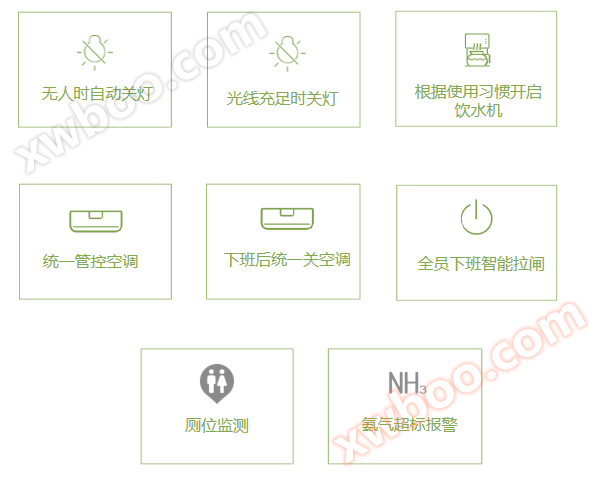
Campus Air Environment Monitoring Plan
Combining advanced IoT technology with traditional natural science knowledge in the context of the era, students will learn to monitor the changes in plant growth and understand meteorological and soil indicators. Inspire students' desire to explore and improve their ability to discover and solve problems.
Upgrading traditional disciplines
Integrating IoT technology with natural science courses to stimulate students' curiosity in exploring the surrounding natural environment.
Create distinctive projects
Establishing characteristic projects such as "ecological farms" centered on the Internet of Things is conducive to creating regional benchmark achievements.
Enhance the visibility of the school
Facilitating students to undertake innovative projects and participate in subject competitions, cultivating top-notch students, and enhancing the school's reputation.
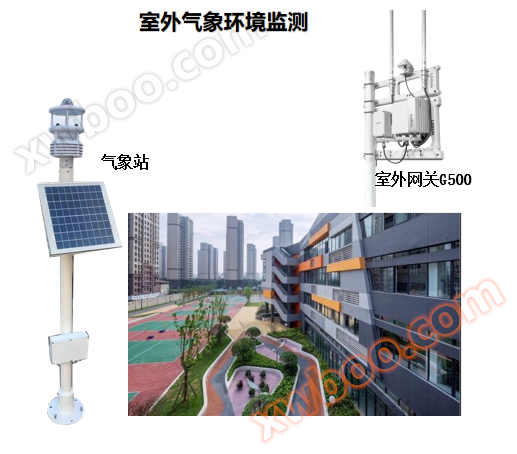
Monitor outdoor temperatureHumidity, air pressure, wind speed, wind direction PM2.5/10、 Monitoring of meteorological environment such as noise, illumination, and rainfall.
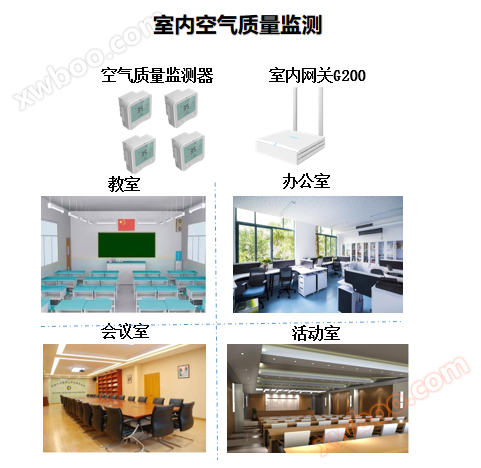
| Monitor air quality levels, issue alerts when exceeding standards, and provide students with a comfortable learning environment; |
Campus Fire Safety Monitoring Plan
Monitor electrical safety, fire safety, and fire water, monitor real-time data and operational status of building fire protection facilities and equipment, and reduce fire accidents and labor costs.
1. Electricity safety monitoring
Real time monitoring of electrical faults such as leakage, overvoltage, overcurrent, overload, overtemperature, undervoltage, etc., and alerting personnel for repairs in real-time when faults occur; Using circuit breakers to automatically trip in the event of short circuit overload, protecting the circuit and electrical equipment;
2. Fire monitoring
Use smoke detectors to monitor fire hazards, issue local alarms when smoke is detected, and send information to the corresponding responsible personnel to reduce the occurrence of fires;
3. Fire water monitoring
Monitor the water pressure and level in the pump room, as well as the water pressure in the fire protection pipeline network. When the water pressure is insufficient, an alarm will be triggered to ensure that there is water available in case of a fire and reduce fire accidents.

In the campus fire safety monitoring plan, we can use various devices to meet the fire monitoring needs in different scenarios:
1. Smoke alarm, which alarms when fire smoke is detected, can be used in classrooms, computer rooms, conference rooms, etc.
6. Water immersion monitor.Monitor water leakage, water accumulation, and high water level triggering. Can be used inmachinehouse、handlepublicroomThewashbasinwait.
7.Door and window monitor.Monitoring the opening and closing of doors and windows is generally used for monitoring normally closed doors and windows. Can be used in教room、skyTaiwan、machineRooms, distribution cabinets, etc.
2. Sound and light alarm, mainly used for linkage and downward control alarm. Can be used in floor corridors.
3. Electrical fire detector, which detects electrical parameters (voltage, current, power, energy), residual current (i.e. leakage current), and line temperature measurement. Can be used in distribution boxes and distribution rooms.
4. Intelligent circuit breaker, power parameter monitoring, automatic circuit breaker, remote circuit breaker. Can be used in classrooms, offices, and distribution boxes.
5. Water pressure gauge, capable of detecting water pressure and displaying water pressure values locally and online. Can be used in water pump rooms and fire protection pipelines.
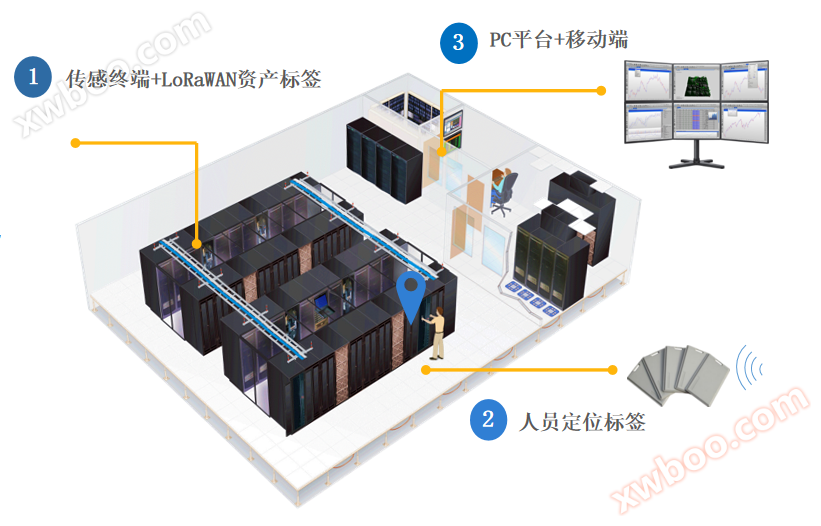
Campus personnel and asset positioning solution
Indoor and outdoor personnel positioning:
Bluetooth+GPS positioning, using wristbands, campus cards and other forms, student safety management, dynamic management of personnel trajectories, establishment of electronic fences, student crossing alerts, and visitor entering restricted areas alerts.
Asset positioning:
Full lifecycle management of valuable assets, utilizing wireless signal strength to detect the range of assets and issuing alerts if they exceed a fixed area.
Solution Value

1. Make the campus safer: When a malfunction occurs, be aware of and handle it immediately,The monitoring of electricity, fire protection, access control, environment and other aspects will be transformed from a passive mode of "post disposal" to an active mode of "pre prediction", with early warning of safety hazards and corresponding protective measures activated to ensure campus safety.
2. More energy-efficient and cost-effective: Managing campus lighting and air conditioning to save energy, a single air conditioning device can save 158 yuan in electricity bills per year (1100W (1.5P) * 20% * 8h * 180 days * 0.5 yuan/kWh=158 yuan).
3. Make management more efficient: make work smarter, and "turn N into 1" campus management: one system, take care of everything. Integrate energy, fire, and safety management systems, connect all devices to the internet, and achieve intelligent monitoring.
4. Unified management: Unified management of all schools within the designated area, closely following the requirements of the new infrastructure and information technology construction environment.
5. Enhance students' sense of immersion: Combine advanced IoT applications with knowledge to create immersive experiences and learning.
Project Case
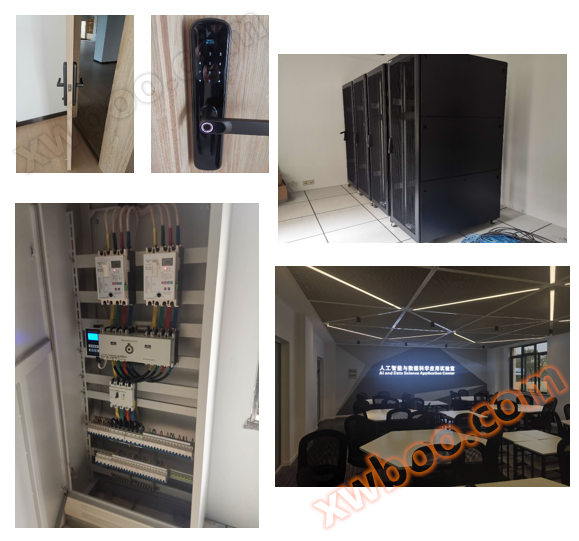
Shanghai Huishi Primary School Project:
Including smart classrooms, lighting renovation, electrical safety monitoring, dynamic environment supervision of computer rooms, smart door locks, etc.
The platform includes: data display, data analysis, intelligent warning, linkage control, spatial management, etc.

Project of Chibi No.1 Middle School:
Schools need to install air conditioning in classrooms and dormitories, use IoT devices for unified management of air conditioning, achieve energy consumption statistics and batch control functions, strengthen energy-saving of classroom and dormitory air conditioning, reduce energy waste, and respond to national energy conservation and emission reduction policies.

Wuhan Shipailing Senior Vocational High School:
Monitor the entire training building and campus environment, including temperature and humidity monitoring, infrared detection, smoke alarm, PM2.5 monitoring, water level monitoring, and manhole cover movement monitoring.

asI need itLearn more project casesOther information and solutionsrelevant information
You can click on the business consultation below to contact our staff.
Similar Product Recommend