-
E-mail
wxbrck@ 163.com
-
Phone
13812024099
-
Address
No. 35 Xigang East Road, Xishan District, Wuxi City
Product Categories
Jiangsu Borui Measurement and Control Technology Co., Ltd

Platinum Rui Lithium Battery Passive Electromagnetic Flow Meter - Wuxi
NegotiableUpdate on 11/13
- Model
- Nature of the Manufacturer
- Producers
- Product Category
- Place of Origin
Overview
1、 The principle of lithium battery electromagnetic flowmeter is based on Faraday's law of electromagnetic induction. It is used to measure the volumetric flow rate of conductive liquids with a conductivity greater than 5 S/cm. It is an inductive instrument for measuring the volumetric flow rate of conductive media ..
Product Details
1、 Product principle of lithium battery electromagnetic flowmeter
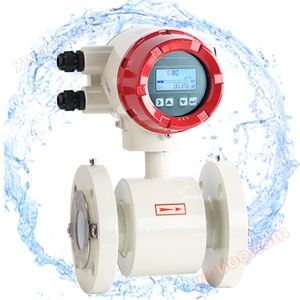
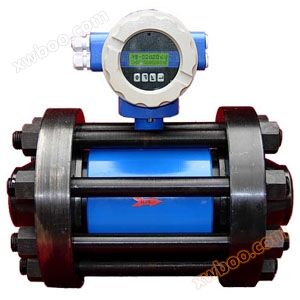
The Platinum Ray LDE lithium battery electromagnetic flowmeter is based on Faraday's law of electromagnetic induction and is used to measure the volumetric flow rate of conductive liquids with a conductivity greater than 5 μ S/cm. It is an inductive instrument for measuring the volumetric flow rate of conductive media. In addition to measuring the volumetric flow rate of general conductive liquids, it can also be used to measure the volumetric flow rate of strongly corrosive liquids such as strong acids and alkalis, as well as homogeneous liquid-solid two-phase suspensions such as mud, slurry, and pulp, as shown in Figure 1.
4、 Selection of electrode for lithium battery electromagnetic flowmeter
5、 Comparison Table of Flow Diameter of Lithium Battery Electromagnetic Flow Meter
6、 Product selection of lithium battery electromagnetic flowmeter
Figure 1
2、 Performance characteristics of lithium battery electromagnetic flowmeter
1. Micro power design, 3.6V lithium battery, capable of continuous operation for 5 years, and easy battery replacement.
2. The monitor adopts an LCD large screen LCD display, which can display multiple flow parameters such as instantaneous flow rate, flow rate (pipeline pressure), cumulative total amount in both directions, and alarm prompts.
3. There are no movable or resistance components inside the measuring tube, and there will be no entanglement or blockage. There is almost no pressure loss, and it can work reliably and continuously for a long time.
4. Wide measurement range: The flow velocity measurement range can reach 0.05m/s~10m/s.
5. High measurement accuracy: ± 0.5%~± 1.0%.
6. Measurement stability: The measurement accuracy is not affected by changes in physical parameters such as temperature, pressure, viscosity, and density of the measured medium.
7. It has the function of pulse output and GSM wireless data remote transmission.
3、 Selection of lining for lithium battery electromagnetic flowmeter
| Lining material | Main performance | Maximum medium temperature | Scope of Application | |
| Integrated type | Separated type | |||
| Polytetrafluoroethylene(F4) | It is a chemically stable plastic that can withstand boiling hydrochloric acid, sulfuric acid, nitric acid, and aqua regia, as well as concentrated alkali and various organic solvents. Not resistant to corrosion from chlorine trifluoride, high-temperature chlorine trifluoride, high flow rate liquid fluorine, liquid oxygen, and auto oxygen. | 70℃ |
100℃ 250℃ (Special order required) |
1. Strong corrosive media such as concentrated acid and alkali. 2. Sanitary media. |
| Perfluoroethylene propylene(F46) | 同F4, Wear resistance and negative pressure resistance are higher than F4. | Ditto. | ||
| Polyfluoroethylene(Fs) | The upper limit of applicable temperature is lower than that of polytetrafluoroethylene, but the cost is also lower. | 80℃ | ||
| Polychloroprene rubber |
1. Has excellent elasticity, high tensile strength, and good wear resistance. 2. Resistant to corrosion in general low concentration acid, alkali, and salt media, but not resistant to corrosion in oxidizing media. |
80℃ 120℃ (Special order required) |
Water, sewage, and weakly abrasive slurry. | |
| polyurethane rubber | 1Extremely strong wear resistance. | 80℃ | Neutral strong abrasion slurry, coal slurry, mud | |
| 2Poor corrosion resistance. | ||||
4、 Selection of electrode for lithium battery electromagnetic flowmeter
| electrode material | Corrosion resistance and wear resistance |
| stainless steel0Crl8Nil2M02Ti | Used for weakly corrosive media such as industrial water, domestic water, sewage, etc., suitable for industrial sectors such as petroleum, chemical, steel, as well as municipal and environmental protection fields. |
| HastelloyB | It has good corrosion resistance to all concentrations of hydrochloric acid below boiling point, as well as to non chlorinated acids, bases, and non oxidizing salt solutions such as sulfuric acid, phosphoric acid, hydrofluoric acid, and organic acids. |
| HastelloyC | Can withstand corrosion from non oxidizing acids such as nitric acid, mixed acids, or mixed media of chromic acid and sulfuric acid, as well as oxidative salts such as:Corrosion under Fc+, Cu+or with other oxidants, such as corrosion in hypochlorite solutions above room temperature or seawater |
| Titanium | Capable of withstanding seawater, various chlorides and hypochlorites, and oxidizing acidsCorrosion caused by (including fuming sulfuric acid), organic acids, and alkalis. Not resistant to the corrosion of relatively pure reducing acids (such as sulfuric acid, hydrochloric acid), but if the acid contains oxidants (such as nitric acid, Fc+, Cu+), the corrosion is greatly reduced. |
| Tantalum | It has excellent corrosion resistance and is very similar to glass. Except for hydrofluoric acid, fuming sulfuric acid, and alkali, it can almost withstandCorrosion of a chemical medium (including boiling point hydrochloric acid, nitric acid, and sulfuric acid below 50 ℃). Dig in alkali; Corrosion resistance. |
| Platinum/titanium alloy | Can withstand almost all chemical media, but not suitable for aqua regia and ammonium salts. |
| Stainless steel coated with tungsten carbide | Used for non corrosive and highly abrasive media. |
| Note: Due to the wide variety of media and the complex factors such as temperature, concentration, and flow rate that affect their corrosiveness, this table is for reference only. Users should make their own choices based on the actual situation, and if necessary, conduct corrosion resistance tests on the selected materials, such as hanging plate tests. | |
5、 Comparison Table of Flow Diameter of Lithium Battery Electromagnetic Flow Meter
| calibermm | Flow range m ³/h | calibermm | Flow range m ³/h |
| DN10 | 0.16~2.5 | DN400 | 250~4000 |
| DN15 | 0.4~6 | DN500 | 400~6000 |
| DN20 | 0.6~12 | DN600 | 600~10000 |
| DN25 | 1.0~16 | DN700 | 800~12000 |
| DN32 | 1.6~25 | DN800 | 1000~16000 |
| DN40 | 2.5~40 | DN900 | 1200~20000 |
| DN50 | 4.0~60 | DN1000 | 1600~25000 |
| DN65 | 6.0~120 | DN1200 | 2500~30000 |
| DN80 | 10~160 | DN1400 | 3000~50000 |
| DN100 | 16~250 | DN1600 | 3000~60000 |
| DN125 | 25~400 | DN1800 | 5000~60000 |
| DN150 | 40~600 | DN2000 | 6000~100000 |
| DN200 | 60~1000 | DN2200 | 1367.78~136778.4 |
| DN250 | 100~1600 | DN2400 | 1627.78~162777.6 |
| DN300 | 160~2500 | DN2600 | 1910.38~191037.6 |
| DN350 | 200~3000 | DN2800 | 2306.56 ~ 236062.8 |
6、 Product selection of lithium battery electromagnetic flowmeter
| model | caliber | |||||||
| LDE | 10~2600 | |||||||
| code name | Installation type | |||||||
| Y | integrated | |||||||
| F | split-type | |||||||
| code name | transformer model | |||||||
| ZA | rotundity | |||||||
| ZB | Square (only applicable to split type) | |||||||
| code name | Power supply form | |||||||
| AC | (AC) 220V AC 50Hz (90~245V AC 50Hz) | |||||||
| DC | (DC) 24V DC (20-36V DC) | |||||||
| LD | Lithium battery power supply (without signal output) | |||||||
| code name | ||||||||
| I | ||||||||
| f | ||||||||
| Rs | ||||||||
| H | ||||||||
| C | ||||||||
| medium temperature | ||||||||
| ≤65℃ | ||||||||
| ≤120℃ | ||||||||
| ≤ 180 ℃ (only applicable to split type) | ||||||||
| code name | Lining material | |||||||
| NE | Chloroprene rubber (≤ 65 ℃) | |||||||
| PVC | Polyvinyl chloride (≤ 70 ℃) | |||||||
| PU | Polyurethane wear-resistant (≤ 80 ℃) | |||||||
| PTFE | Polytetrafluoroethylene (≤ 180 ℃) | |||||||
| code name | electrode material | |||||||
| 316L | stainless steel | |||||||
| HC | Hastelloy C | |||||||
| Ti | Titanium | |||||||
| Ta | Tantalum | |||||||
| Pt | platinum | |||||||
| Reminder: Essential for flowmeter selection, medium, caliber (flow range), electrode material, lining material, installation method | ||||||||
7、 Installation specification for lithium battery electromagnetic flowmeter
1. It should be installed at the lower and vertically upward positions of the horizontal pipeline, avoiding installation at the highest point and vertically downward position of the pipeline;
2. Should be installed at the rising point on the pipeline;
3. When installing an open discharge pipeline, it should be installed at the lower part of the pipeline;
4. If the pipeline drop exceeds 5m, install an exhaust valve downstream of the sensor;
5. Sensors should never be installed at the inlet and outlet of the pump, they should be installed at the outlet of the pump.
Similar Product Recommend