-
E-mail
gzthermotex@163.com
-
Phone
132-4733-3419
-
Address
No.1 Yanbu Hexi Dajiwei Industrial Zone, Nanhai District, Foshan City, adjacent to Xinhongxing Hardware and Plastic Factory (Foshan Factory of Guangzhou Jingxiu Thermal Equipment Co., Ltd.)
Product Categories
Guangzhou Jingxiu Thermal Equipment Co., Ltd
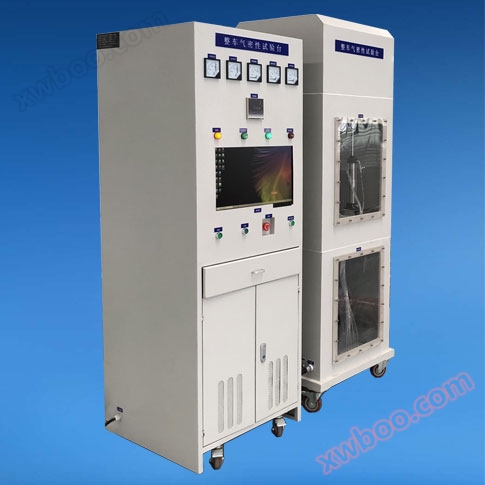
Vehicle air tightness test bench
NegotiableUpdate on 02/22
- Model
- Nature of the Manufacturer
- Producers
- Product Category
- Place of Origin
Overview
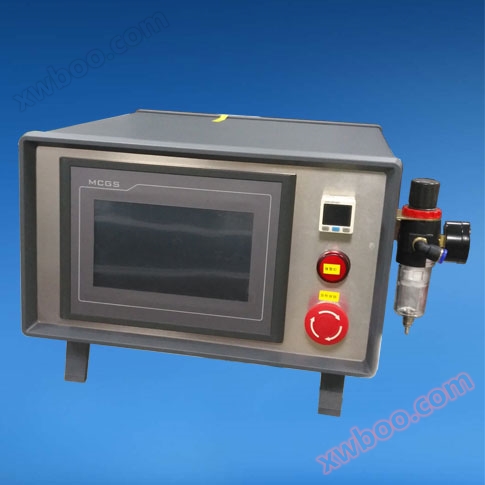
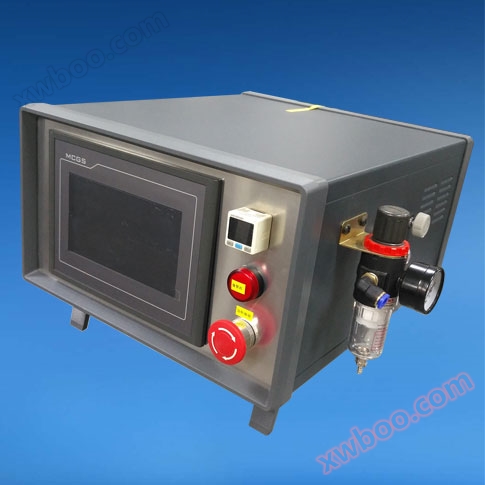
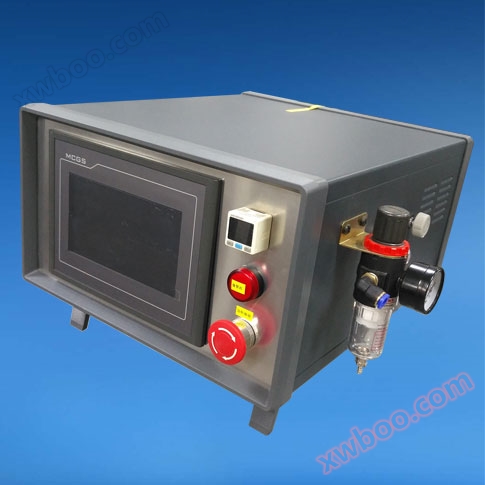
The vehicle air tightness test bench is mainly used for small air volume testing, vehicle sealing (blowing, positive pressure) testing, vehicle air outlet air volume testing function (suction), and conducting vehicle air conditioning air volume distribution testing. The equipment mainly tests the air volume of each air outlet of the vehicle air conditioning assembly to examine whether the vehicle air conditioning system meets the standard requirements.
Product Details
Product Introduction
The vehicle air tightness test bench is mainly used for small air volume testing, vehicle sealing (blowing, positive pressure) testing, vehicle air outlet air volume testing function (suction), and conducting vehicle air conditioning air volume distribution testing. The equipment mainly tests the air volume of each air outlet of the vehicle air conditioning assembly to examine whether the vehicle air conditioning system meets the standard requirements.
application
1. Used for air tightness testing of white body.
2. Measurement of vehicle body leakage.
3. Used for conducting air distribution tests on automotive air conditioning systems, the equipment mainly tests the air volume of each air outlet in the automotive air conditioning assembly to examine whether the vehicle's air conditioning system meets standard requirements.
PRODUCT FUNCTION
a. Measurement items: positive body pressure, static pressure, body gas leakage, air conditioning airflow, etc;
b. Characteristic curve diagram: The vertical and horizontal axes represent optional static pressure, voltage, current, power, and efficiency, respectively, to obtain the relationship curve between parameters and observe the gas leakage of the vehicle body;
c. Simulate customer test conditions;
d. Fault alarm;
e. Data collection and access;
Software functions (designed by our company according to customer requirements)
a. Chinese and English interfaces are optional;
b. Simulation and setting of experimental conditions;
c. Historical data management of test piece specifications;
d. Save and print experimental data;
e. Curve chart: The vertical and horizontal axes can be selected to simulate the relationship between different performance parameters based on the relationship between air volume, static pressure, speed, voltage, current, and power.
Technical parameters:
| Wind volume adjustment range: | 10~800m³/h | Temperature testing accuracy: | 0.1℃ |
|---|---|---|---|
| Repeatability measurement accuracy: | ≤1.5%~2% | Measurement resolution requirements: | Pressure 0.1Pa |
| Test pressure: | 250Pa | Leakage rate: | 0.1㎡/h,0.1L/S |
| Static pressure: | -250~250Pa | Nozzle mode: | Automatic nozzle |
| Environmental temperature: | -20℃~-60℃ | electric current: | 4A |
| Voltage: | 380V±10% | Power: | About 1.5KW |
| Size specifications: | 700*700*2000mm | Weight: | About 180kg |
| Equipment control parameters: | Wind tunnel static pressure; Differential pressure on both sides of the nozzle; Auxiliary variable frequency fan | ||
| Equipment measurement parameters: | Wind tunnel static pressure; Pressure difference on both sides of the wind tunnel nozzle; Wind tunnel measurement of chamber temperature, humidity, and atmospheric pressure | ||
Product Effect Display
Equipment structure
Application Cases
Similar Product Recommend