-
E-mail
hblhg @163.com
-
Phone
+86-13392495516
-
Address
101, Block A, Building 4, Huachuang Industrial Park Phase II, Panyu District, Guangzhou City
Product Categories
Guangzhou Kaimo Filtration Equipment Co., Ltd
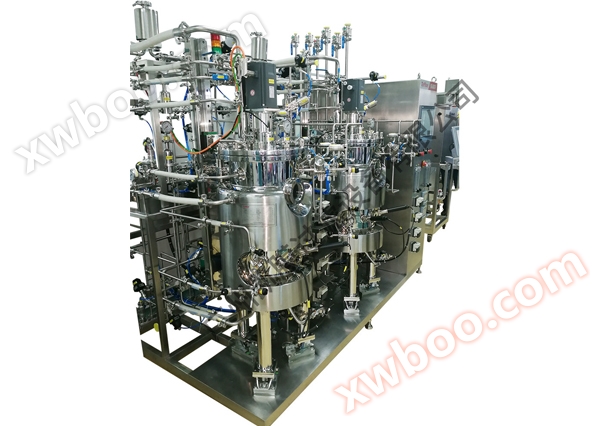
Concentration and extraction
NegotiableUpdate on 03/25
- Model
- Nature of the Manufacturer
- Producers
- Product Category
- Place of Origin
Overview
Concentration and Extraction 1. Principle of Membrane Concentration and Extraction Membrane is a material with selective separation function. The process of separating, purifying, and concentrating different components of the material liquid through membrane selective separation is called membrane separation
Product Details
Concentration and extraction
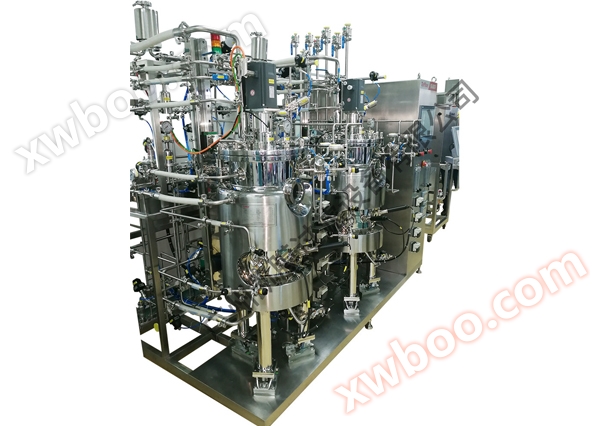
1 Principles of membrane concentration and extraction
A membrane is a material with selective separation function, and the process of separating, purifying, and concentrating different components of a liquid using the selective separation of a membrane is called membrane separation. It differs from traditional filtration in that the membrane can separate at the molecular level, and this process is a physical process that does not require phase changes or the addition of additives. The pore size of membranes is generally in the micrometer range. Based on their pore size (also known as molecular weight cut-off), membranes can be divided into microfiltration membranes, ultrafiltration membranes, nanofiltration membranes, and reverse osmosis membranes. Depending on the material, they can be divided into inorganic membranes and organic membranes. Inorganic membranes are mainly ceramic membranes and metal membranes, which have lower filtration accuracy and selectivity. Organic films are made of polymer materials such as cellulose acetate, aromatic polyamide, polyether sulfone, polyfluoropolymers, and so on. The separation and retention performance of various membranes in the cross flow membrane process is distinguished by the pore size and molecular weight retention of the membrane. The following figure briefly illustrates the membrane separation process:
II Membrane concentration and extraction types
Concentrated extraction type |
Ultra/Microfiltration Membrane System |
Nanofiltration/reverse osmosis membrane system |
Scope of application |
Solid liquid separation, separation of large and small molecular substances, removal of pigments, product purification, oil-water separation |
The retention performance of divalent ions, functional sugars, small molecule pigments, peptides and other substances is higher than 98%, while it has a permeability of 30-50% for some monovalent ions, small molecule acid-base, alcohols and other substances. It is often used in solute classification, elution of low molecular substances in solutions, adjustment of ion components, concentration of solution systems and other processes for separating, refining and concentrating substances |
main equipment |
Ceramic membrane, flat membrane, stainless steel membrane, hollow fiber membrane, roll membrane, tube membrane |
Roll film, tube film |
Technical Specifications |
Concentrate and extract substances with molecular weights ranging from 1000-100000 daltons |
Concentrate and extract substances with molecular weights ranging from 100-1000 daltons |
Alternative processes |
Natural sedimentation, plate and frame filtration, vacuum drum, centrifuge separation, solvent extraction, resin purification, activated carbon decolorization |
Freeze drying, film evaporation, ion exchange desalination, resin process concentration, neutralization |
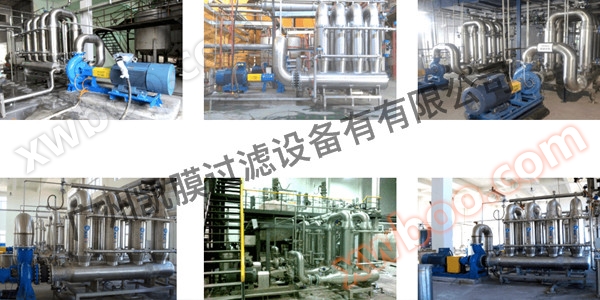
III Membrane concentration and extraction application industry
1. Biochemical pharmaceuticals
● Amino acids
Antibiotics
Enzyme preparations
Concentrated extraction of traditional Chinese medicine preparations
2. Sugar industry (starch, sugarcane, and beet sugar industry)
● Separation of monosaccharides and polysaccharides
Sugar solution color removal and concentration
Glucose concentration and defocusing
● Fractionation and concentration of immersion water
Purification of corn juice extraction, such as deglycosylation and fructose
3. Dairy and Beverage Industry
● Application of dairy products
Juice clarification and pre concentration
Concentrate and extract tea juice and flower juice (such as rose, chrysanthemum, honeysuckle, etc.)
4. Health food industry
● Animal protein concentration
● Desalination and concentration of fish skin, meat, bone and leather gel
Concentrate fruits, vegetables, and plant proteins
5. Chemical additives industry
Concentrate coatings and electrophoretic paints
Refined and concentrated electroplating solution
Nanofiltration powder washing and purification
● Catalyst recovery
6. Other industries
Traditional extraction process of mannitol
● Concentration of garbage leachate
Separation of radioactive groundwater
Similar Product Recommend